9 Best Rosemary Plants For Cooking in 2026
This post contains affiliate links. As an Amazon Associate, we earn from qualifying purchases.
For the freshest flavor in your kitchen, the CitronellaKing Tuscan Blue Rosemary 3-Pack wins as Best Overall for its fast growth to 5 feet tall and bold culinary taste, backed by three live plants. Home cooks in cold climates will appreciate the Perennial Farm Marketplace Arp Hardy Rosemary, while those wanting a large harvest should consider The Three Company Rosemary 6-Pack.
The real challenge with growing rosemary for cooking isn’t finding a plant, it’s choosing one that survives your climate, fits your space, and delivers enough leaves for regular use. Many gardeners buy a single plant only to find it struggles in winter or grows too slowly for frequent harvesting.
We built this guide by analyzing manufacturer specifications, expert growing guides, and patterns in owner feedback. Our picks cover cold-hardy varieties, compact indoor options, bulk buys, and complete starter kits so you can match the right plant to your kitchen and garden.
Top 9 Rosemary Plants For Cooking in the Market
Certain content that appears on this site comes from Amazon. This content is provided "as is" and is subject to change or removal at any time.
The Best Rosemary Plants For Cooking, Reviewed
CitronellaKing Tuscan Blue Rosemary 3-Pack
What We Like
- Three live plants included
- Fast-growing to 5 feet tall
- Blue flowers in spring
- Bold flavor for cooking
Trade-offs
- Needs pruning for shape and hedges
- Requires potting or ground planting
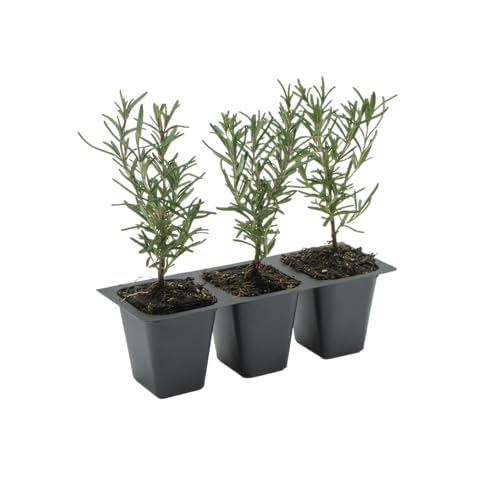
Three live plants in 2.5-inch nursery pots give you a head start on a rosemary patch that can reach up to 5 feet tall with minimal care. The Tuscan Blue variety is prized for its bold flavor and rich fragrance, making it a natural fit for anyone who cooks with fresh herbs or enjoys aromatherapy. Spring brings stunning blue blooms that add color to your garden, and the plants are easy to maintain in containers or in the ground. This set offers great value for cooks who want a reliable supply of rosemary without the wait.
You get three live Tuscan Blue Rosemary plants in 2.5-inch nursery pots, ready to pot up or plant out. The Perennial Farm Marketplace Arp Hardy Rosemary comes in a #1 container and can reach 6 feet tall, but this pack gives you three plants to work with from the start.
Product photos
Perennial Farm Marketplace Arp Hardy Rosemary
What We Like
- Survives temperatures down to 0°F
- Aromatic dark green foliage
- Pale purple summer flowers
- Deer resistant
Trade-offs
- Cannot ship to 10 western states
- Needs good drainage to thrive
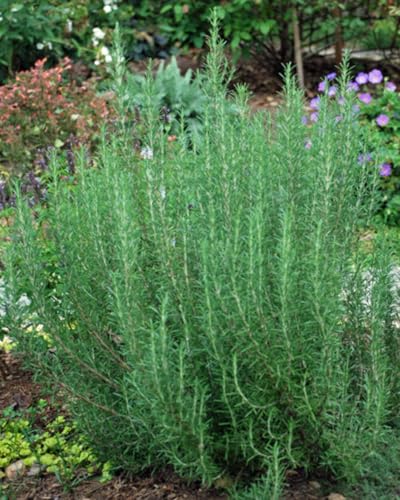
Good drainage is a must for this plant, without it, the roots will struggle. Compared to the Tuscan Blue Rosemary 3-Pack, which also grows tall, the Arp is noted for its cold hardiness down to 0°F, making it a better choice for areas with freezing winters. Just note that it cannot ship to AK, AZ, CA, CO, ID, MT, NV, OR, UT, WA, or HI, so check your location before ordering.
Product photos
find Lavender+ Arp Rosemary 4-Pack
What We Like
- Survives down to 0°F
- Pack of 4 established plants
- Strong piney culinary flavor
- Pollinator-friendly blue flowers
Trade-offs
- Needs 6+ hours of direct sun
- Must overwinter indoors in zone 5 and below
- Requires well-draining soil to thrive
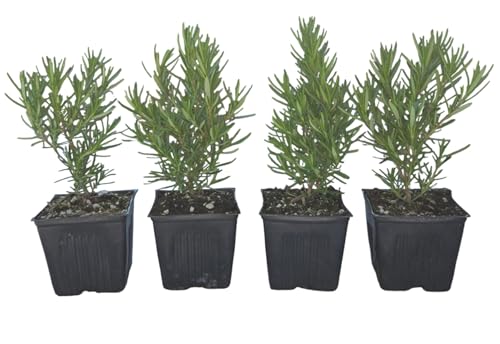
With a cold hardiness down to 0°F, this Arp rosemary is one of the few culinary rosemary varieties that can survive winter in colder climates where standard rosemary would perish. The pack of four plants, each in a 4-inch pot with established root systems, gives you a head start for garden beds, raised beds, or large containers. It’s an excellent choice for home cooks in zones 6 through 10 who want fresh rosemary for roasted meats, breads, and herb butters straight from their garden, even through chilly months.
The trade-off is that this rosemary demands full sun and well-draining soil to really thrive, so if your garden has heavy clay or shady spots, you’ll need to amend the soil or use containers. Compared to the Bonnie Plants Rosemary 4-Pack, which is only perennial in zones 8 to 10, the Arp offers far more cold tolerance, but it also requires more attention to drainage and sun exposure. For cooks in colder regions who want a reliable, winter-hardy culinary herb, this pack delivers where others can’t.
Product photos
The Three Company Rosemary 6-Pack
What We Like
- Six plants for ample supply
- Bold culinary flavor and pine fragrance
- Drought tolerant once established
- Shipped fresh from greenhouse
Trade-offs
- Needs full sun and well-drained soil
- Small starter size at 8" tall
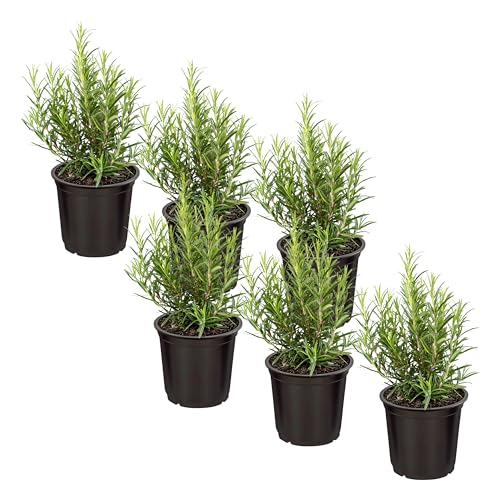
Six individual rosemary plants, each in a one-pint pot, arrive at 8 inches tall and 3 inches wide, giving you a head start on a kitchen herb garden or landscape border. The evergreen needle-like foliage delivers a bold, piney aroma and savory flavor ideal for grilling, roasted meats, breads, and infused oils. Because these are live plants shipped directly from the greenhouse, they arrive ready to thrive in full sun and well-drained soil, and once established they become remarkably drought tolerant and low maintenance.
Each plant arrives at just eight inches tall and three inches wide, so you’ll need some patience and a sunny spot to let them mature into the woody shrubs shown in the guide. For a faster start, the Perennial Farm Marketplace Arp Hardy Rosemary comes as a single container plant that reaches six feet tall with pale purple flowers, but you only get one plant. This six-pack gives you a larger quantity of rosemary for steady kitchen use.
Product photos
Bonnie Plants Rosemary 4-Pack
What We Like
- Aromatic leaves and blue blooms
- Versatile for garden and containers
- Great for cooking and grilling
- Perennial in zones 8 to 10
Trade-offs
- Not cold-hardy beyond zone 10
- Needs full sun for best yields
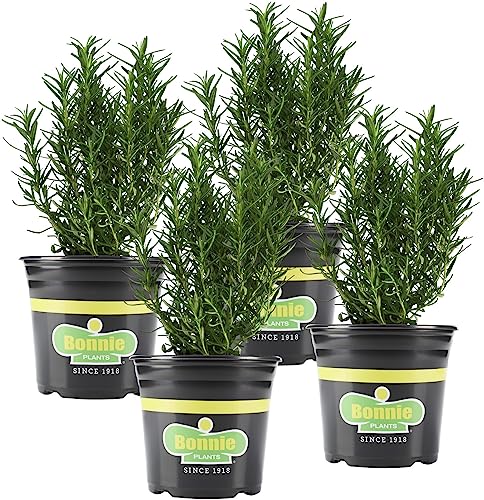
A 4-pack of live rosemary plants lets you stock a small herb garden or several containers without the hassle of starting from seed. Cooks will appreciate a steady supply of aromatic leaves for Italian and Mediterranean dishes, vinegars, oils, and breads. The plants bear tiny, strongly aromatic leaves and blue blooms, and they fit well in herb gardens, flower borders, containers, or low clipped hedges. They need full sun for best yields and are perennial in zones 8 to 10, so they return year after year in warmer climates. For anyone wanting a low-maintenance, flavorful herb for their kitchen garden, this is a straightforward option.
The main trade-off is that this rosemary isn’t suited for colder regions; if you live outside zones 8 to 10, you’ll need to bring it indoors or treat it as an annual. The Bonnie Plants 4-Pack is designed for warmer climates where it can be grown as a perennial. For cooks in mild zones who want an easy-to-grow herb that delivers on flavor, this pack is a practical and reliable pick.
Product photos
The Three Company Rosemary 2-Pack
What We Like
- Compact 8" tall size fits small spaces
- Drought tolerant once established
- Bold culinary flavor and pine fragrance
- Shipped fresh from greenhouse
Trade-offs
- Small 3" width limits mature spread
- Only 2 plants per pack
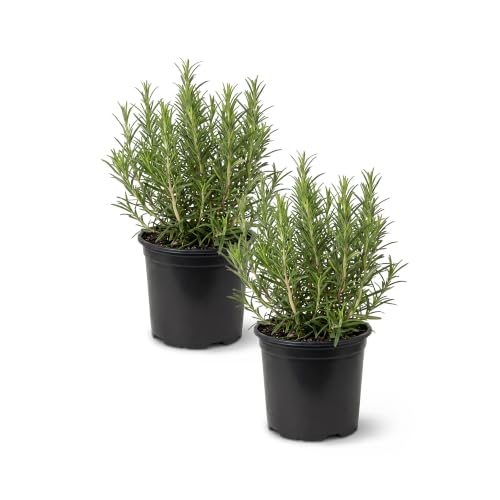
At just 8 inches tall in a 1-pint pot, this rosemary arrives ready for a sunny windowsill or a small container on a patio table. It’s a perfect starter for anyone who wants fresh herbs close at hand without dedicating a full garden bed. The compact size means you can tuck it into a corner of a balcony or even a kitchen counter, and because it’s drought tolerant once established, you won’t need to fuss over it daily. The bold pine-like fragrance and savory flavor make it easy to clip stems for roasting or grilling, so you get real culinary payoff from a very small footprint.
The compact size means you get two plants that are ready for a sunny windowsill or small container. While they won’t reach the height of some other rosemary varieties, they are perfect for home cooks who want fresh herbs close at hand. The 3-inch width keeps them manageable for small spaces, and because they are drought tolerant once established, they require minimal care.
Product photos
Bonnie Plants Rosemary with Miracle-Gro
What We Like
- Comes with ready-to-use plant food
- Fragrant foliage for cooking
- Attracts pollinators with blue flowers
- Grows in containers, raised beds, in-ground
Trade-offs
- Perennial only in USDA zones 8-10
- Needs full sun for best performance
- Requires feeding every 10-14 days
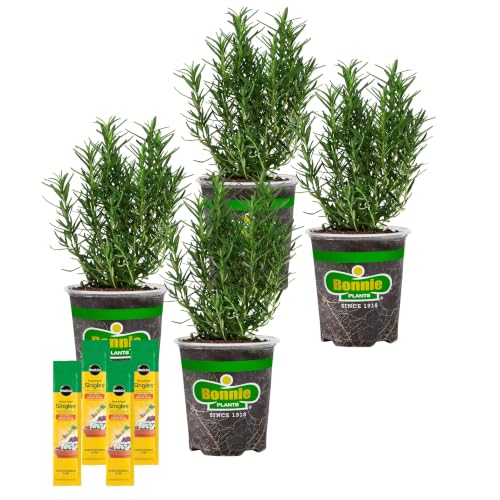
A 4-pack of live rosemary plants plus Miracle-Gro Pour & Feed Singles means you get everything needed to start a kitchen herb garden right out of the box. The ready-to-use plant food snaps open with no mixing or measuring, so feeding every 10 to 14 days is as simple as watering. This kit suits anyone who wants fresh rosemary for cooking without fussing over soil amendments or fertilizer ratios. The plants are easy to grow, highly fragrant, and produce petite blue flowers that attract pollinators, making them as lovely in the landscape as they are in the kitchen.
Rosemary is perennial only in USDA zones 8 to 10, so gardeners in cooler climates will need to overwinter plants indoors or treat them as annuals. Compared to the taller variety from CitronellaKing, which comes without fertilizer, this Bonnie Plants kit provides a more complete starter experience for the cook who values convenience.
Green Promise Farms Arp Rosemary
What We Like
- Large mature size for abundant harvest
- Fully rooted in soil, plant immediately
- Sweet, pleasant fragrance for patio
- Delivered in a #1 Size Container
Trade-offs
- Limited to USDA Zones 6-8 for best results
- Requires immediate planting upon arrival for best results
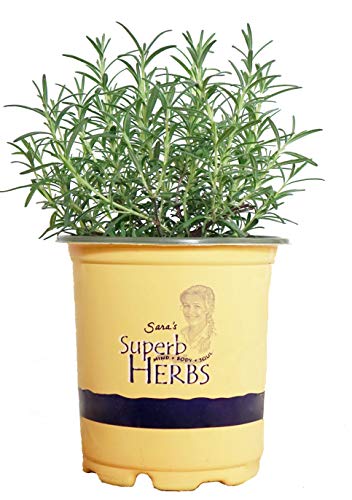
Delivered in a #1 Size Container, this Arp rosemary arrives fully rooted in soil and can be planted immediately if weather permits. Its mature size reaches 3 to 5 feet tall and 2 to 3 feet wide, making it a substantial shrub for a patio or garden. The plant has a pleasant, sweet smell, so it fits nicely in a deco pot on your deck or patio.
This Arp rosemary arrives in a #1 container fully rooted in soil, so you can plant it as soon as the weather cooperates. It reaches 3 to 5 feet tall and 2 to 3 feet wide, making it a substantial addition to a patio or deck. The plant gives off a pleasant, sweet smell that reviewers enjoy in a decorative pot.
Product photos
NY City Succulents Live Rosemary Herb Plant
What We Like
- Includes winter heat pack for safe shipping
- Fragrant leaves for seasoning meats and vegetables
- Low-maintenance and easy to grow indoors
- Ornamental beauty plus culinary use
Trade-offs
- Requires sunny spot and well-drained soil
- Not cold-hardy for outdoor winter in zones below 8
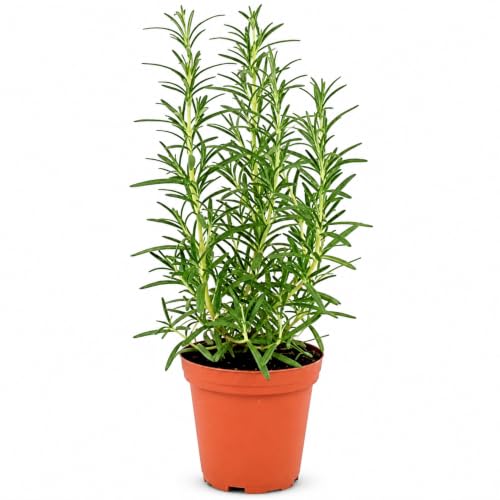
A 4-inch pot size makes this rosemary plant perfectly suited for a kitchen windowsill or countertop, so you can snip fresh sprigs while you cook without stepping outside. It comes with a winter heat pack to protect it during cold-weather delivery, which is a thoughtful touch for anyone ordering in cooler months. The plant is low-maintenance and easy to grow indoors or outdoors in sunny spots with well-drained soil, giving you a steady supply of aromatic leaves for seasoning roasted vegetables, meats, soups, and Mediterranean dishes.
Rosemary needs a sunny spot with well-drained soil, so if your kitchen lacks natural light, you might need a grow light. Unlike the CitronellaKing Tuscan Blue set, which can reach up to 5 feet tall, this one stays compact and manageable, making it a good fit for apartment dwellers or anyone who wants fresh herbs without a garden.
Product photos
How We Evaluated Rosemary Plants For Cooking
Our research began with a close look at each plant’s hardiness zone range, mature size, and sun requirements from the grower’s documentation. We cross-referenced these specs with expert round-ups from cooperative extension services and gardening authorities to confirm which varieties truly perform in different climates.
Three criteria mattered most: cold tolerance (since rosemary is famously tender), growth habit and yield (how fast and how much you can harvest), and the plant’s culinary reputation. A rosemary that survives winter but tastes bland is no help in the kitchen, and a flavorful variety that dies in your first frost is equally useless.
A research-led evaluation has limits, we cannot predict how a plant will perform in your specific microclimate or soil. What we can do is match your conditions to the variety most likely to thrive, based on documented hardiness and experienced grower reports.
What To Look For In Rosemary Plants For Cooking
Choosing a rosemary plant for cooking means balancing flavor, hardiness, and growth habit against your local climate and available space. The best plant for you is the one that will survive your winters and produce enough leaves for your recipes.
Choose a rosemary variety that matches your USDA hardiness zone, gets at least 6 hours of direct sun, and has a flavor profile suited to your cooking style.
Hardiness Zone And Winter Survival
Rosemary is a Mediterranean herb that typically thrives in USDA Zones 8-10. For gardeners in colder zones, look for varieties labeled “Arp” or “cold-hardy” that can survive down to 0°F (Zones 6-8). If you live in Zone 5 or below, plan to overwinter your rosemary indoors in a sunny window or under a grow light.
Growth Habit And Harvest Yield
Upright varieties like Tuscan Blue can reach 5 feet tall and produce abundant stems for cooking. Compact types stay smaller and suit containers or windowsills. Consider how much rosemary you use per week, a single large plant may be enough for occasional use, while a 6-pack of starters gives you a continuous supply for frequent cooking.
Flavor Profile And Culinary Use
Not all rosemary tastes the same. Some varieties have a strong, piney flavor ideal for roasted meats and vegetables, while others are milder and more floral. The best culinary rosemary has bold, aromatic leaves that hold up to cooking without turning bitter.
- Check your USDA hardiness zone before buying
- Measure your sunniest spot for at least 6 hours of direct light
- Decide whether you want one large plant or several smaller ones
- Confirm the plant’s mature size fits your garden or container
- Choose a variety known for culinary use, not just ornamental
A rosemary plant that matches your climate and gets enough sun will outgrow any other factor in your success.
Rosemary Plants For Cooking Compared
The table below compares our top rosemary plants for cooking by key features, so you can see at a glance which variety fits your garden, kitchen, and climate.
| Product | Quantity | Pot Size | Sunlight |
|---|---|---|---|
| CitronellaKing Tuscan Blue Rosemary 3-Pack | 3 plants | 2.5" nursery pots | N/A |
| Perennial Farm Marketplace Arp Hardy Rosemary | N/A | #1 Container | Full Sun, Part Shade |
| find Lavender+ Arp Rosemary 4-Pack | 4 plants | 4-inch nursery pots | 6+ hours direct sun |
| The Three Company Rosemary 6-Pack | 6 Plants | 1 Pint Pot | Full sun |
| Bonnie Plants Rosemary 4-Pack | 4-pack | N/A | Full sun |
| The Three Company Rosemary 2-Pack | 2 plants | 1 pint pot | Full sun |
| Bonnie Plants Rosemary with Miracle-Gro | 4-pack | N/A | Full sun |
| Green Promise Farms Arp Rosemary | N/A | #1 Size Container | N/A |
| NY City Succulents Live Rosemary Herb Plant | N/A | 4 Inch | N/A |
Frequently Asked Questions
How much sun does a rosemary plant need for cooking?
Rosemary needs at least 6 hours of direct sunlight each day to produce the best flavor and growth. Indoors, place it in a south-facing window or supplement with a grow light. Without enough sun, the plant will grow leggy and produce fewer aromatic leaves.
Can I grow rosemary indoors year-round?
Yes, you can grow rosemary indoors year-round if you provide a sunny spot with 6+ hours of direct light, well-drained soil, and a pot with drainage holes. Indoor rosemary grows more slowly than outdoor plants but can still supply fresh leaves for cooking. Choose a compact variety for best results.
What is the best cold-hardy rosemary for cooking?
Arp rosemary is widely considered the best cold-hardy culinary variety, surviving temperatures down to 0°F in USDA Zones 6-8. It maintains a strong, piney flavor that works well in cooking. For colder zones, you will need to overwinter the plant indoors.
How often should I harvest rosemary for cooking?
You can harvest rosemary as soon as the plant is established and has several stems. Take no more than one-third of the plant at a time, cutting from the top to encourage bushy growth. Regular harvesting actually promotes more branching and a fuller plant.
Why is my rosemary plant not growing well?
The most common reasons are insufficient sunlight, poor drainage, or overwatering. Rosemary needs at least 6 hours of direct sun and soil that dries out between waterings. If your plant looks yellow or droopy, check the drainage and reduce watering frequency.
The Bottom Line
For most home cooks, the CitronellaKing Tuscan Blue Rosemary 3-Pack is the best overall choice because it gives you three fast-growing plants with bold flavor and a tall, upright habit that yields plenty for cooking. It works well in the ground or in large containers.
If you garden in a cooler climate, the Perennial Farm Marketplace Arp Hardy Rosemary or the find Lavender+ Arp Rosemary 4-Pack will survive your winters and still deliver great culinary flavor. For those with limited space, the compact The Three Company Rosemary 2-Pack fits a sunny windowsill.
The single most important factor in choosing a rosemary plant for cooking is matching the variety to your climate and light conditions. A plant that survives and thrives will always outproduce one that struggles.
