10 Best Chairs For Autistic Child in 2026
This post contains affiliate links. As an Amazon Associate, we earn from qualifying purchases.
The Pterying Spinning Chair for Autistic Kids takes our Best Overall spot because it was designed by pediatric occupational therapists to support sitting, kneeling, or lying down positions with quiet 360-degree rotation. For deep pressure and calming, the STAOLENE Sensory Soft Canoe Chair offers a cocoon-like hug, while the BALAPET Sensory Rocking Chair provides safe, washable rocking for younger children.
Finding the right chair for an autistic child means matching their sensory needs, whether that’s vestibular spinning, proprioceptive squeeze, or gentle rocking, with a safe, durable design that fits your home. The wrong chair can overstimulate or fail to provide the grounding input a child needs to self-regulate.
This guide is based on manufacturer specifications, expert occupational therapy insights, and patterns in parent feedback. We evaluated each chair for safety, sensory benefit, build quality, and ease of cleaning to help you choose with confidence.
Top 10 Chairs For Autistic Children in the Market
Certain content that appears on this site comes from Amazon. This content is provided "as is" and is subject to change or removal at any time.
The Best Chairs For Autistic Children, Reviewed
Pterying Spinning Chair for Autistic Kids
What We Like
- Sturdy metal pedestal base
- Designed by pediatric occupational therapists
- Quiet 360-degree rotation, no batteries needed
- Supports sit, kneel, or lie down positions
Trade-offs
- Indoor use only
- Battery not included for operation
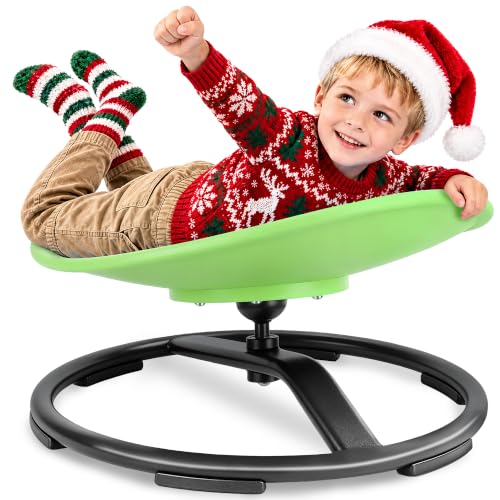
A 220-pound weight capacity and a sturdy metal pedestal base with solid solder joints mean this spinning chair stays steady even during active 360-degree play. Designed by pediatric occupational therapists, it provides calming vestibular input that helps children with autism and ADHD develop balance, coordination, and directional sense. The ergonomic swivel mechanism allows varying speeds with quiet operation, so sensory-sensitive kids can spin without added noise. It works smoothly on hardwood, carpet, and tile, and the compact size makes it easy to fit into playrooms, classrooms, or therapy spaces. For families seeking a versatile sensory tool that encourages movement and focus, this chair offers a thoughtful blend of safety and therapeutic value.
Assembly is straightforward at about five minutes with the included tool, but you’ll need to have a screwdriver on hand. For a dedicated indoor sensory chair that prioritizes stability and therapist-backed design, this is a well-rounded choice.
Product photos
FERUERW Spinning Chair for Autistic Kids
What We Like
- 360° smooth controlled spinning for vestibular stimulation
- Safe anti-tipping widened metal base
- BPA-free, rounded edges, ASTM & CPSIA certified
- Quick 5-minute tool-free assembly
Trade-offs
- Low 10.6-inch height limits use to floor-level play
- Only supports floor-level play due to low profile
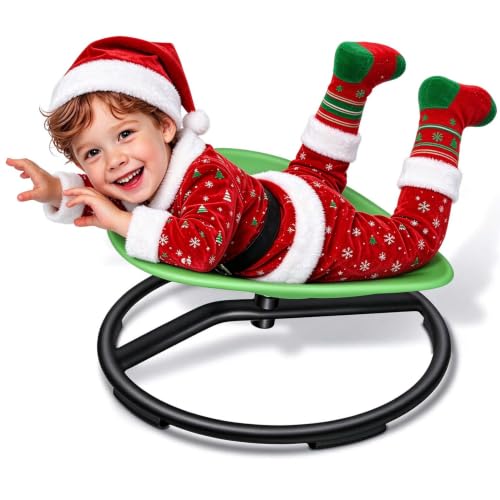
Supporting kids up to 220 pounds and recommended for ages 3-12, this spinning chair can accommodate children as they grow, offering extended use compared to many sensory toys. The 360° smooth controlled spinning is designed to deliver vestibular stimulation that helps calm overactive moods and ease anxiety, making it a strong fit for children with autism or ADHD who need regulated sensory input. The widened reinforced metal base with non-slip rubber pads keeps the center of gravity low, so tipping during active spinning isn’t a worry, a real comfort for parents.
At just 10.6 inches tall, this spinning chair stays low to the floor, so it’s great for seated or lying-down sensory play but won’t work as a desk chair. The 22-inch-wide base gives kids a stable platform, and the 220-pound weight limit means it can handle older or larger children up to age 12. For pure floor-level spinning, it’s a well-built, safety-focused option.
Oranmew Turtle Sensory Spinning Chair
What We Like
- Whisper-quiet sealed bearings
- Supports up to 220 lbs
- Anti-slip rubber feet
- Versatile sit, kneel, lie flat
Trade-offs
- At 14.7 lb, less portable for room-to-room moves
- Low 11-inch seat height limits use for older kids
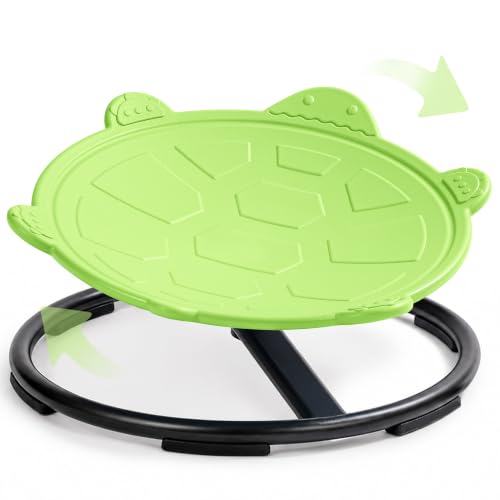
This spinning chair can support up to 220 pounds, so it grows with a child from early years well into the teen years, offering lasting value for families. The whisper-quiet sealed bearings deliver frictionless 360° spins without disturbing the household, which is a real gift for siblings or parents working from home. The ergonomic wrap-around edge supports the body during active play, and the anti-slip rubber feet keep everything planted securely on the floor. This chair suits kids who need to burn restless energy while improving motor skills and spatial awareness, all in a calm, quiet way.
Supporting up to 220 pounds, the heavy-duty metal base with anti-slip rubber feet keeps the chair planted during even the most energetic spins, so you don’t have to worry about tipping. The 14.7-pound weight makes it less portable for moving between rooms than the 12.3-pound NeoKaleido model, but that heft contributes to the rock-solid stability. Kids can sit, kneel, or lie flat on the turtle shell contour, which encourages creative movement and builds core strength, though the compact 11-inch height is best suited for younger children.
Product photos
STAOLENE Sensory Soft Canoe Chair
What We Like
- High-density foam never flattens
- Removable machine-washable cover
- Non-slip bottom for active kids
- Includes matching pillow for support
Trade-offs
- No built-in seatbelt for safety
- Fixed shape limits movement options
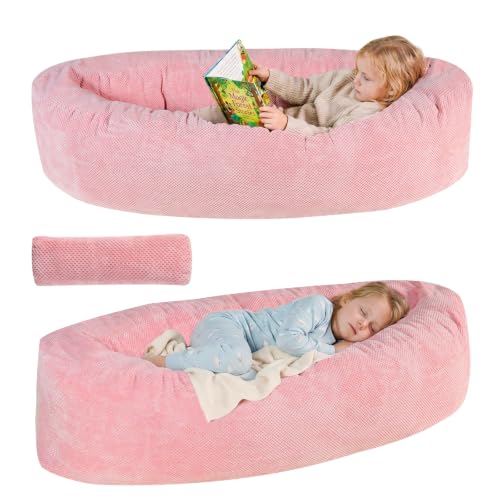
A high-density foam core that never flattens means this sensory canoe delivers consistent deep-pressure calming session after session, unlike inflatable options that lose support. The ergonomic wrap-around shape hugs your child gently, promoting body awareness and a sense of security that helps melt away anxiety during meltdowns or overstimulation. It’s an ideal choice for creating a quiet corner at home, in a therapy room, or even a classroom where self-regulation is key. The removable machine-washable cover and non-slip bottom add practical peace of mind for parents of active toddlers and growing kids.
The STAOLENE Sensory Soft Canoe Chair uses a high-density foam core that never flattens, so it keeps its shape and support over time. Unlike inflatable sensory seats, this foam peapod provides consistent stability for gentle rocking, bouncing, or quiet snuggling. The ergonomic canoe shape wraps around the body for a snug, cocoon-like feel, making it ideal for reading, napping, or relaxing at home, in therapy, or in the classroom.
Product photos
BALAPET Sensory Rocking Chair for Kids
What We Like
- Dual-layer safety belts included
- Machine-washable removable cover
- Indoor and outdoor use
- High-density foam resists deformation
Trade-offs
- Designed for ages 3-8 only
- No spinning motion for vestibular input
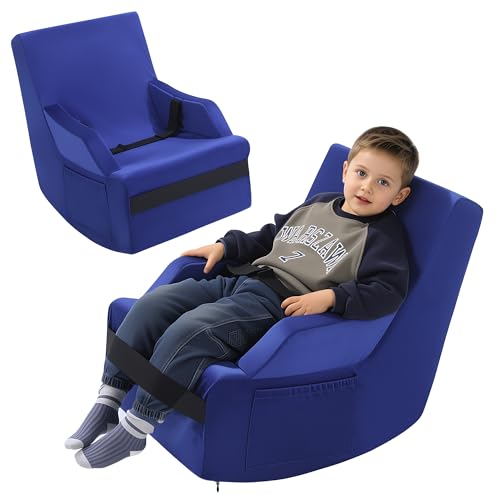
The dual-layer safety belts, a waist strap and leg straps, mean a child can rock freely without parents worrying about a tumble. The high-density foam holds its shape over time, so the gentle rocking motion stays smooth and supportive through years of daily use. The chair is designed to help kids release anxiety, calm their emotions, and improve concentration, making it suitable for daily relaxation and focus training.
The trade-off is that this chair rocks but doesn’t spin, unlike the Pterying Spinning Chair which provides rotational vestibular input. For a caregiver focused on safety and easy maintenance, the BALAPET’s washable cover and secure belts make it a practical, low-hassle choice for both indoor playrooms and outdoor use in the yard.
Redants Sensory Soft Squeeze Seat
What We Like
- Gentle full-body pressure for calm
- Rocking motion soothes and focuses
- Lightweight and portable for any room
- Machine-washable cover for easy cleaning
Trade-offs
- Foam needs 1-2 days to fully expand
- Not suitable for older teens or adults
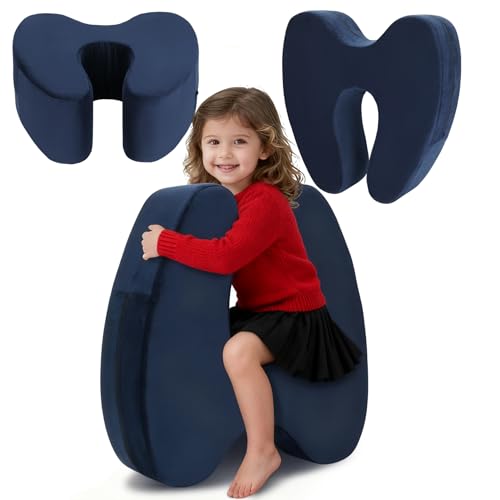
The Redants Sensory Soft Squeeze Seat wraps your child in a gentle, full-body hug that mimics a comforting embrace, using 35D high-density foam to balance softness with support. This design is perfect for kids who crave deep pressure to feel safe and centered, whether they’re winding down after a busy day or trying to focus during homework. The gentle rocking motion adds a calming sway that can help regulate emotions and improve concentration, making it a cozy corner companion for bedrooms, classrooms, or therapy spaces.
One trade-off: the foam arrives vacuum-sealed and needs a day or two to fully puff up, so you’ll want to plan ahead before your child can sink into it. Lightweight and easy to move, it’s a practical pick for families who need calming support on the go.
Product photos
Medilax Sensory Soft Squeeze Chair

What We Like
- Gentle full-body compression for calming
- Interactive maze tunnel with sliding beads
- Lightweight and portable at 4.9 pounds
- Machine-washable cover for easy cleanup
Trade-offs
- No seatbelt for children who need extra stability
- 36.6-inch height blocks use under low tables
The interactive stitched maze tunnel with three sliding beads sets this chair apart, turning calming time into a quiet tactile game that builds focus and fine motor skills. Weighing just 4.9 pounds, it’s light enough to move from bedroom to classroom or tuck into a calm-down corner whenever a child needs to reset. The gentle full-body compression and straddle rocking motion work together to provide soothing proprioceptive input, helping kids with autism or ADHD feel safe and grounded during therapy sessions, reading time, or emotional moments.
At 36.6 inches tall, this chair is too tall to slide under low tables or fit into compact nooks, so you’ll need a spot with vertical clearance. It also uses a straddle-style rocking motion that relies on the child’s active participation, unlike the BALAPET Sensory Rocking Chair which includes a seatbelt for extra security. For families wanting a lightweight, portable sensory tool that combines gentle compression with interactive play, this chair delivers a thoughtful balance.
Product photos
NeoKaleido Sensory Spinning Chair
What We Like
- Non-slip design for safe play
- Designed to relieve motion sickness symptoms
- Rotation in multiple positions trains coordination
Trade-offs
- Low 9-inch height limits floor use
- No seatbelt or back support included
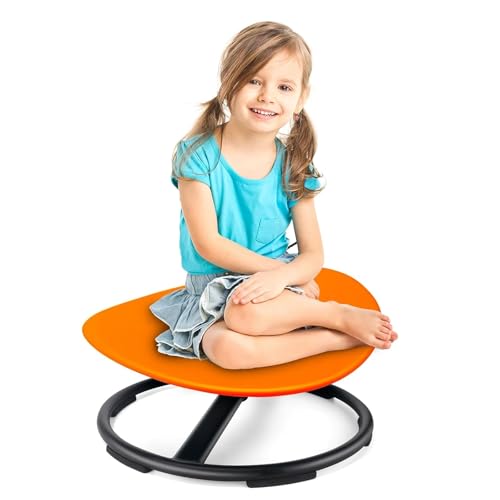
This chair supports children up to 220 pounds, so it works for a wide range of ages and sizes without needing to be replaced as your kid grows. The spinning motion is designed to ease motion sickness and provide gentle vestibular input that helps with coordination and core strength. A metal base and non-slip surface keep the chair stable during active play, which parents report gives them peace of mind.
A low 9-inch profile keeps this chair firmly on the floor, which works great for carpeted playrooms but might feel limiting if you want a desk-height seat. Compared to the Pterying Spinning Chair, which sits a couple inches higher, the NeoKaleido is better for floor-based sensory breaks but less versatile for tabletop activities. It’s a focused tool for spinning and motion relief, not an all-day seating solution.
Product photos
Abilitations SqUoosh Chair
What We Like
- Gentle proprioceptive hug from squeeze design
- Surface washable vinyl cover
- Can rock for vestibular input
- Multiple play positions encouraged
Trade-offs
- 70-pound limit restricts older or larger children
- Small flat base limits stability during active rocking
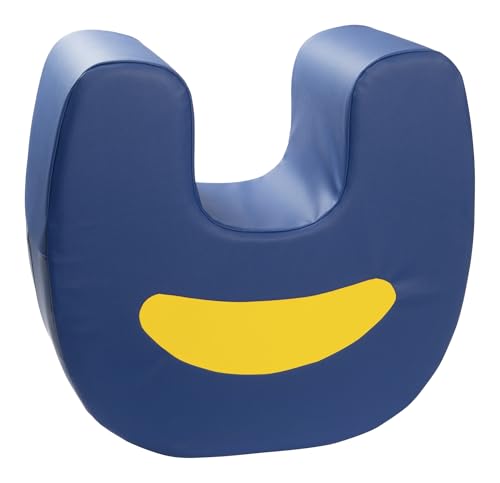
The Abilitations SqUoosh Chair delivers a gentle, calming proprioceptive hug by squeezing into the child when they sit on it. This design helps organize the sensory system, making it a wonderful choice for younger children who crave deep pressure. The high-quality polyurethane foam and washable vinyl cover keep cleanup simple after messy play or snacks. At 15.2 pounds, it’s light enough to move between rooms, and the small flat bottom offers some stability while still allowing easy rocking for added vestibular input. It suits kids up to 70 pounds who benefit from a cozy, wrap-around sensation.
The 70-pound weight limit means this chair is best for children up to about age eight, so it won’t grow with a child the way a sturdier option might. Compared to the Pterying Spinning Chair, which offers rotational movement for older kids, the SqUoosh focuses on stationary compression and gentle rock. If your child needs a deep-pressure hug rather than spinning motion, this chair is a focused, effective tool. The small base means it’s not designed for vigorous rocking without supervision.
Product photos
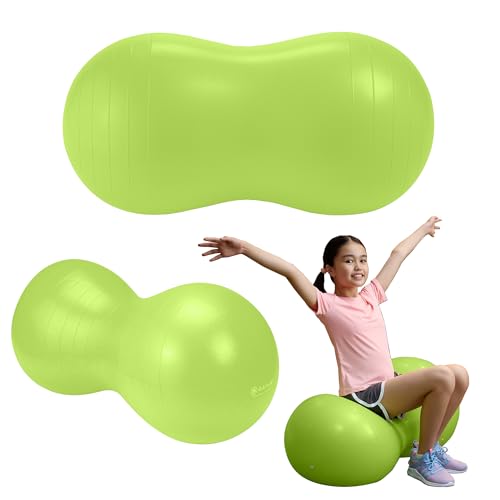
Gaiam Kids Peanut Ball Chair
What We Like
- Peanut shape stays in place
- Boosts energy and focus
- Increases blood flow to brain
- Multi-purpose for home or classroom
Trade-offs
- Not suitable for kids under age 4
- No weight capacity specified for heavier children
At just 2.4 pounds, this peanut-shaped ball chair is light enough for a child to move around on their own, yet its unique cradling design keeps it from rolling away during active bouncing. The shape offers more stability than a traditional balance ball, which means less worry about tipping while your child gets the wiggles out. It’s designed to boost blood flow to the brain, helping with concentration and focus, a smart choice for high-energy kids who need to channel their restlessness into seated play or learning.
This chair doesn’t spin, so it won’t provide the rotational movement that some children might enjoy. If your child is drawn to spinning, a model like the Pterying Spinning Chair might be a better fit. But for a child who benefits from gentle bouncing and core engagement without the risk of rolling away, this Gaiam seat offers a safe, focused alternative that works well at a desk or during reading time.
How We Evaluated Chairs For Autistic Children
Our research began with a close look at each chair’s design intent: what specific sensory input it provides, what age and weight range it supports, and what safety certifications it carries. We reviewed manufacturer documentation and occupational therapy resources to understand how features like spinning, rocking, and compression affect the nervous system.
We prioritized four criteria above all else. Safety came first, every chair needed a stable base, non-toxic materials, and where applicable, seatbelts or anti-tip design. Sensory value was next: we looked for chairs that deliver a clear, predictable input (spinning, rocking, squeeze, or bounce) without overstimulation. Durability mattered because these chairs see daily use, so we favored high-density foam, reinforced stitching, and washable covers. Finally, we considered real-world practicality: assembly time, portability, and whether the chair fits in a typical bedroom or living room.
This is a research-led evaluation, not a hands-on test. Our recommendations are built from expert consensus, verified specs, and the reported experiences of hundreds of parents and therapists. We believe this approach gives you a reliable starting point for your own search.
What To Look For In Chairs For Autistic Children
Every child’s sensory profile is unique, so the best chair is the one that matches how your child seeks or avoids input. Focus on the type of movement, the level of compression, and the chair’s physical fit in your home.
Choose a chair that matches your child’s sensory need, spinning for vestibular input, squeeze for proprioception, rocking for calming, and verify safety features like anti-tip bases, non-toxic materials, and washable covers before buying.
Sensory Input Type
Spinning chairs provide vestibular stimulation that can be deeply calming for children who seek rotational movement. Rocking chairs offer a gentler, rhythmic motion that works well for children who are sensitive to faster spinning. Squeeze seats and canoe chairs deliver proprioceptive deep pressure, which helps the nervous system feel grounded. Bounce seats like peanut balls combine core engagement with gentle vertical motion.
Safety and Stability
Look for a wide, non-slip base that resists tipping during active movement. Chairs with seatbelts or harnesses are essential for younger children or those who may lean forward suddenly. Check weight limits carefully, many sensory chairs cap at 70 to 220 pounds, and exceeding that compromises both safety and performance. ASTM and CPSIA certifications indicate the chair has passed third-party safety testing.
Size and Portability
Measure the floor space where the chair will live. Low-profile spinning chairs (9 to 11 inches high) work best on the floor for play, while taller chairs can double as desk seating. Lightweight options under 10 pounds are easy to move between rooms or take to school. If the chair will be used in multiple spots, prioritize models with carry handles or quick assembly.
- Measure your child’s seated height and compare it to the chair’s seat height.
- Check the weight limit against your child’s current weight plus a growth buffer.
- Confirm the cover is removable and machine-washable.
- Look for non-slip feet or a rubberized base on smooth floors.
- Choose BPA-free, phthalate-free materials for younger children.
A chair that fits your child’s body and sensory needs today will be used far more than one that promises years of future growth but misses the mark on comfort.
Chairs For Autistic Children Compared
The table below compares all ten chairs side by side, so you can see at a glance which one fits your child’s sensory needs, age range, and your home’s layout.
| Product | Weight Capacity | Dimensions | Material |
|---|---|---|---|
| Pterying Spinning Chair for Autistic Kids | 220 lbs | 21.3 × 19.9 × 10.9 in | Heat-resistant PP |
| FERUERW Spinning Chair for Autistic Kids | 220 LBS | 22.0 x 22.0 x 10.6 inches | Thickened eco-friendly PP plastic |
| Oranmew Turtle Sensory Spinning Chair | 220 lbs | 21.6 × 20.0 × 11.0 in | Heavy-duty metal base |
| STAOLENE Sensory Soft Canoe Chair | N/A | N/A | High-density foam core |
| BALAPET Sensory Rocking Chair for Kids | 3-8 years | 27.5 × 23.6 × 19.7 in | High-density foam |
| Redants Sensory Soft Squeeze Seat | N/A | 28.7 x 28.0 x 8.7 inches | 35D high-density foam |
| Medilax Sensory Soft Squeeze Chair | N/A | 19 x 30.4 x 36.6 inches | Firm foam, durable vinyl |
| NeoKaleido Sensory Spinning Chair | 220 pounds | 20 x 20 x 9 inches | Metal |
| Abilitations SqUoosh Chair | 70 pounds | 13 x 29 x 27.5 inches | Polyurethane foam, vinyl cover |
| Gaiam Kids Peanut Ball Chair | N/A | N/A | N/A |
Frequently Asked Questions
What type of chair is best for an autistic child who loves spinning?
A dedicated spinning chair with a smooth, quiet 360-degree rotation is ideal. The Pterying Spinning Chair for Autistic Kids was designed by occupational therapists and supports multiple positions, making it a strong choice. Look for a stable metal pedestal base and a weight limit that accommodates your child.
Are sensory chairs safe for toddlers?
Many sensory chairs are designed for children ages 3 and up. For toddlers, prioritize chairs with seatbelts, anti-tip bases, and non-toxic materials. Always check the manufacturer’s age recommendation and supervise active use, especially with spinning or rocking chairs.
Can a sensory chair help with meltdowns?
Yes, many parents and therapists report that sensory chairs provide calming input that can help a child self-regulate during or after a meltdown. Deep pressure squeeze chairs and gentle rocking chairs are often most effective because they offer predictable, grounding sensations.
How do I clean a sensory chair?
Look for chairs with removable, machine-washable covers. Foam cores should be spot-cleaned with mild soap and water. Vinyl-covered chairs like the Abilitations SqUoosh can be wiped down with a damp cloth. Avoid submerging foam in water, as it can take days to dry fully.
What is the weight limit for most kids’ sensory chairs?
Weight limits vary widely. Floor-level spinning chairs often support up to 220 pounds, while squeeze chairs and rocking chairs typically cap at 70 to 100 pounds. Always check the specific chair’s limit before purchasing to ensure safety and durability.
The Bottom Line
The Pterying Spinning Chair for Autistic Kids is our Best Overall pick because it combines therapist-informed design with quiet, stable spinning that works for a wide range of children. It supports multiple positions, requires no batteries, and sits on a sturdy metal base that inspires confidence. If your child needs deep pressure rather than movement, the STAOLENE Sensory Soft Canoe Chair offers a gentle, washable cocoon that holds its shape over time.
For families with a younger child who loves rocking motion, the BALAPET Sensory Rocking Chair includes dual-layer safety belts and a machine-washable cover for easy care. Active kids who bounce to focus will appreciate the Gaiam Kids Peanut Ball Chair, which stays put while providing the core engagement some children need to concentrate.
The single most important factor is matching the chair’s sensory input to your child’s specific needs. A chair that delivers the right type of calming or focusing input will become a tool your child reaches for naturally, day after day.
