10 Best Office Chairs For Pregnancy in 2026
This post contains affiliate links. As an Amazon Associate, we earn from qualifying purchases.
For expectant parents spending long hours at a desk, the Steelcase Series 1 Ergonomic Office Chair is the best overall pick because its weight-activated controls and 4D arm support adapt effortlessly to your changing body. The Hbada X7 offers smart lumbar tracking for those who need dynamic back support, while the ELABEST X100 provides a built-in footrest for resting tired legs.
Pregnancy brings shifting center of gravity, lower back strain, and the need for frequent position changes. A chair that adjusts easily and supports your spine through every trimester makes a real difference in daily comfort and energy levels.
This guide is based on a careful review of manufacturer specifications, ergonomic design principles, and patterns in owner feedback. We focused on the features that matter most during pregnancy: lumbar support, adjustability, seat comfort, and leg support options.
Top 10 Office Chairs For Pregnancy in the Market
Certain content that appears on this site comes from Amazon. This content is provided "as is" and is subject to change or removal at any time.
The Best Office Chairs For Pregnancy, Reviewed
Steelcase Series 1 Ergonomic Office Chair
What We Like
- Weight-activated controls adjust to you
- 4D arm support for custom fit
- No-tool assembly in under 2 minutes
- Flexible edges reduce pressure points
Trade-offs
- Carpet-only wheels limit floor options
- No adjustable headrest included as standard
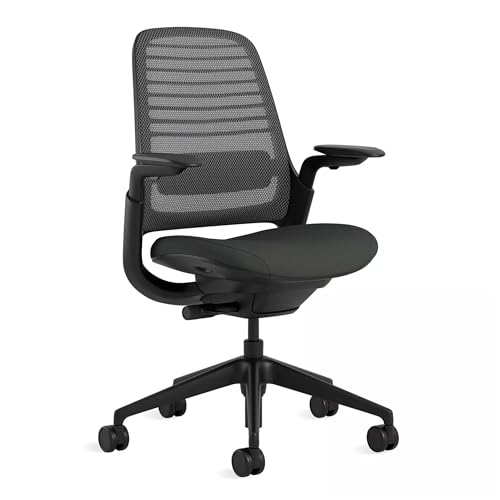
The weight-activated controls automatically adjust to your body as you lean back, so you don’t have to fiddle with levers to find support. That’s a real advantage when your center of gravity shifts daily and you need a seat that responds without extra effort. With 4D arm support that moves up, down, forward, backward, and rotates, you can position the armrests to cradle your changing posture while typing or nursing. The flexible edges and adaptive bolstering in the forearm are part of the design. At 29 pounds and with tool-free assembly in under two minutes, it’s straightforward to set up.
The trade-off is that this chair comes with carpet-only wheels, so if your home office is on hardwood or tile, you’ll need to swap the casters or add a mat. Compared to the Hbada X7 Smart Ergonomic Chair, which offers a fully automated lumbar tracking system, the Steelcase Series 1 uses its weight-activated mechanism for back support. That means it’s a different approach to lumbar support, relying on your body weight rather than active tracking. For someone who wants reliable ergonomic basics without complexity, this chair delivers where it counts: adjustable support and easy customization.
Product photos
Hbada X7 Smart Ergonomic Chair
What We Like
- AI-powered dynamic lumbar tracking
- 8D biomimetic massage with graphene heating
- 3-level ventilated seat for air circulation
- 4D adjustable headrest and 720° armrests
Trade-offs
- Smart features require power source nearby
- No footrest for extra leg support
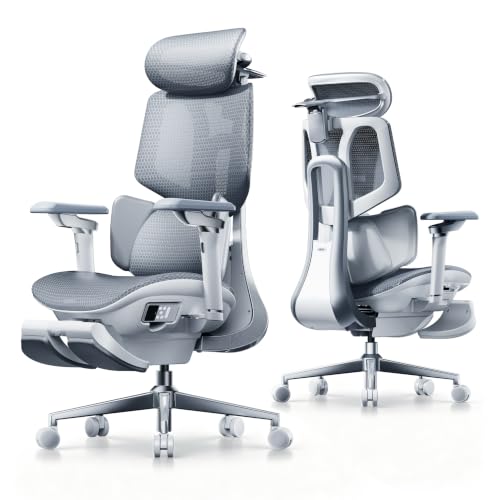
The AI-powered dynamic lumbar support continuously adapts to your posture with dual pressure sensors, so when you lean forward, sit upright, or recline, your lower back gets personalized support that moves with you. That kind of smart tracking is a key feature of this chair and makes it a strong pick for anyone who spends long hours seated and wants relief without constantly adjusting a manual lever. The work recovery system adds 8D biomimetic massage, graphene heating, and red light comfort technology, creating a warm, relaxing experience that helps you recharge between tasks. It suits professionals who sit 8-12 hours a day and value both ergonomic adaptability and built-in wellness features.
The Hbada X7’s 3-level ventilated seat keeps you cooler during long hours of sitting, a real plus for anyone who spends 8-12 hours at a desk. Compared to the Steelcase Series 1, which lacks heating or massage, the X7 adds a Work Recovery System with 8D biomimetic massage, graphene heating, and red light comfort technology. For buyers who want active lumbar tracking and integrated comfort features rather than a purely mechanical chair, the X7 offers a more tech-forward experience.
HBADA E3 Ultra GEN5 Ergonomic Office Chair
What We Like
- 4D bionic massage with 47mm extension
- Graphene heating for soothing warmth
- 3-zone adaptive lumbar support
- 26 adjustments for personalized fit
Trade-offs
- 40 lb weight makes repositioning harder
- Massage and heating require a power outlet nearby
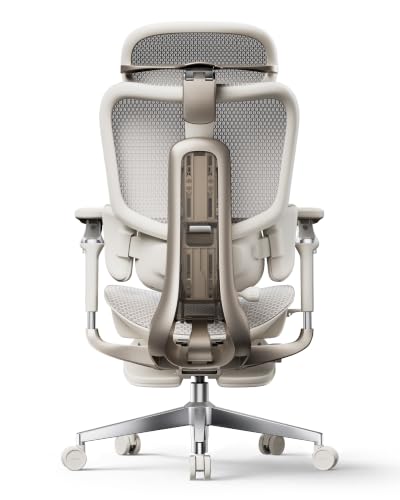
A built-in 4D bionic lumbar massage system with up to 47 mm of massage head extension targets tired lower-back muscles during long workdays. Graphene heating delivers soothing warmth directly to the lumbar area, combining heat with massage for a spa-like experience at your desk. This integrated approach helps relax muscles that often tighten from prolonged sitting, making extended hours in the chair more comfortable. Reviewers note that the combination of heat and massage provides noticeable relief after several hours of work, reducing the need to stand up and stretch as frequently.
The massage and heating features require a nearby power outlet, so you cannot simply roll the chair to another room without unplugging it first. At 40 pounds, it is heavier than the Steelcase Series 1 (29 lb), which makes moving it between desks more difficult. If you want heat-and-massage relief without leaving your workstation, this chair delivers that luxury.
ELABEST X100 Ergonomic Mesh Office Chair

What We Like
- 18" extendable 2-position footrest
- Dynamic 3D lumbar support with lock
- 5D flip-up armrests with EVA foam
- Breathable Dual-Stripe AirMesh fabric
Trade-offs
- At 43 lb, heavier than some mesh chairs
- Footrest adds bulk under the seat
The ELABEST X100’s 18-inch extendable footrest with two angle positions lets you stretch your legs during a long workday, a real plus when you need extra support. The 3D Synchro-Tilt lumbar support, with its spring-loaded auto-tracking and lockable depth adjustment, supports your lower back as you shift positions, while the breathable Dual-Stripe AirMesh fabric offers 38% better airflow than standard mesh. This chair suits anyone who wants a built-in footrest without giving up ergonomic adjustability, making it a practical choice for long hours at a desk.
At 43 pounds, the X100 is a heavy chair, so plan on setting it up where you intend to keep it rather than shifting it from room to room. The built-in footrest adds that weight, but it also extends to a usable length for stretching your legs during breaks. If you want a footrest that’s actually long enough to use comfortably, this chair has you covered.
Mimoglad Ergonomic Office Chair with Footrest
What We Like
- Integrated retractable footrest for leg elevation
- 3D adjustable armrests and headrest
- Breathable mesh back keeps you cool
- 350 lb capacity with reinforced metal frame
Trade-offs
- At 30.0 lb, heavier than some mesh chairs
- No seat depth adjustment for varying leg lengths
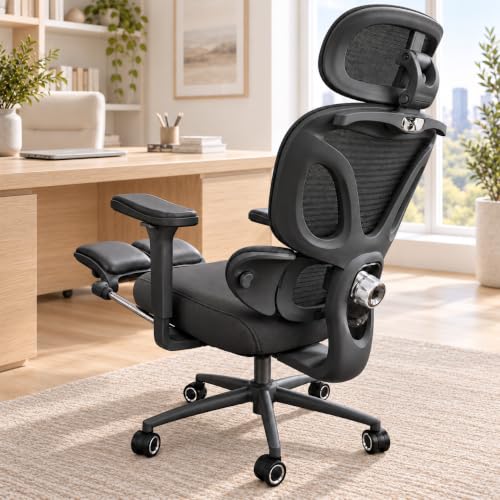
A 350 lb capacity and reinforced metal frame mean this chair supports a wide range of body types with confidence. The built-in retractable footrest is a standout, letting you raise your legs during breaks without needing a separate ottoman. Combined with 3D adjustable armrests and a customizable headrest, it offers personalized comfort for long work sessions. The breathable mesh back keeps air circulating, which helps when you’re running warmer than usual. For anyone who wants a footrest and solid adjustability, this chair delivers real value without skimping on the basics.
The Mimoglad’s 30-pound weight makes it noticeably lighter than the 43-pound ELABEST X100, which also includes a footrest, so you can slide it across the room without breaking a sweat. But the downside is that the lumbar and armrests only move in three directions, and there’s no seat depth adjustment, so taller users might wish the seat pan were a bit longer. For a chair that focuses on leg support and keeping you cool, it’s a practical choice for everyday comfort.
Marsail Ergonomic Office Chair

What We Like
- Highly adjustable lumbar support
- Breathable mesh backrest
- 3D armrests for custom positioning
- Supportive 3.14" thick seat foam
Trade-offs
- No seat depth adjustment for varying leg lengths
- Flip-up armrests limit side-to-side arm movement
The Marsail’s lumbar support adjusts a full 1.18 inches forward and back and 2.16 inches up and down, so you can dial in exactly the lower-back curve that feels right. For pregnancy, that targeted support can make a real difference as your posture shifts. The 3.14-inch thick high-density foam seat keeps you comfortable through long sits, and the breathable mesh back lets air circulate to help you stay cool. It’s a chair that adapts to you rather than forcing you into one position.
If adjustable lower-back support is your priority during pregnancy, this chair delivers without overcomplicating things. The catch is that the seat doesn’t slide forward or back, so if you have shorter legs you may find the seat depth less than ideal. Compared to the Steelcase Series 1, which offers weight-activated controls and a more traditional cushion, the Marsail gives you more hands-on lumbar customization.
Product photos
SIHOO B100 Mesh Ergonomic Office Chair
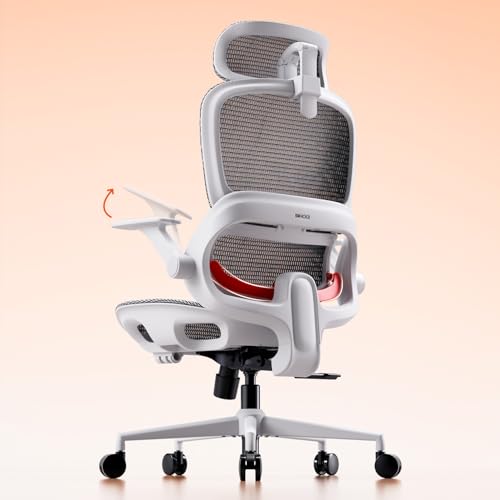
What We Like
- Adaptive lumbar follows spine's curve
- Breathable full-mesh back keeps cool
- Three lockable recline angles
- Widened seat cushion spreads weight
Trade-offs
- No footrest included for leg support
- Armrests flip up but lack depth adjustment
- At 35.5 lb, not the lightest to move
The SIHOO B100’s adaptive lumbar support moves with your spine as you shift from leaning forward to typing to sitting upright, so your lower back never feels abandoned during long hours at a desk. A widened seat cushion spreads weight evenly across hips and thighs, and three lockable recline angles let you lean back to reset without losing support.
This chair doesn’t include a footrest, which some users rely on for leg elevation during extended sitting. Compared to the ELABEST X100, which offers a built-in footrest and 5D flip-up arms, the SIHOO B100 keeps things simpler with flip-up armrests and no leg rest option. If you prioritize breathable, adaptive lumbar support over extra leg elevation features, this chair delivers focused comfort where it matters most.
Serta Bryce Executive Office Chair
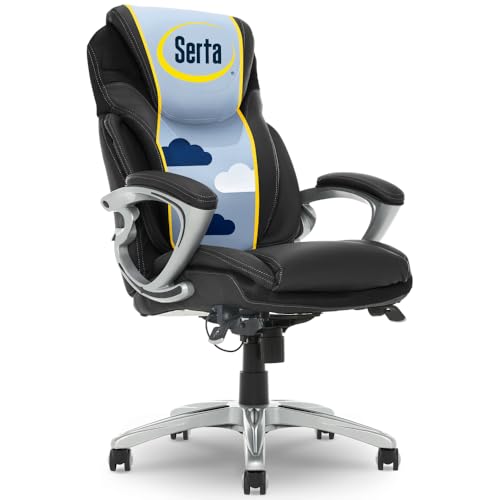
What We Like
- Patented AIR Lumbar Support pivots with body
- Layered memory foam body pillows and pocket coils
- Adjustable seat height, tilt tension, and recline
- Under-30-minute assembly with included tools
Trade-offs
- Molded armrests lack width or angle adjustment
- 275 lb weight limit excludes heavier users
The patented AIR Lumbar Support system pivots and moves with your body, offering continuous lower-back support that adapts as you shift during long workdays. The contoured backrest, layered memory foam body pillows, and pocket coils in the seat work together to cushion pressure points, while the adjustable seat height and tilt tension let you fine-tune your position. Serta’s bonded leather and perforated backrest add a polished look that fits a home office or executive workspace.
The patented AIR Lumbar support pivots and moves with your body, so it keeps your lower back comfortable even during long workdays. The bonded leather and memory foam seat with pocket coils offer plush support, but the molded armrests are fixed in width and angle, which limits adjustability compared to chairs with 4D or 720° armrests. With a 275 lb weight capacity, it suits many users, though larger body types may find it snug.
Product photos
Ergoa Ergonomic Mesh Office Chair
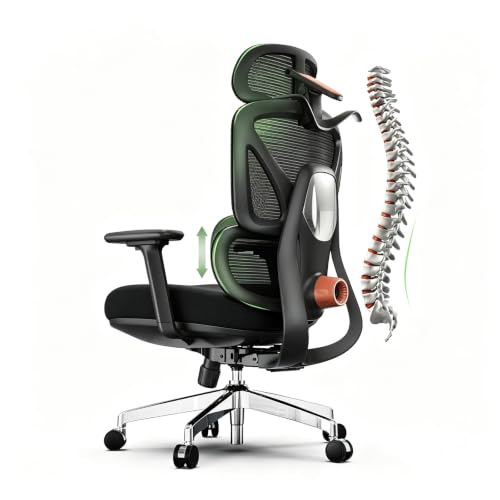
What We Like
- 8-position adjustable lumbar support
- 4D soft-padded armrests
- 11-position 3D headrest
- 400 lbs weight capacity
Trade-offs
- At 48 pounds, it's heavy to move
- No built-in footrest for leg elevation
With a 400-pound weight capacity, this chair offers a solid foundation that many users will appreciate, especially those who need extra stability. The 8-position adjustable lumbar support lets you dial in the exact curve of your lower back. The 4D armrests move up, down, in, out, and even rotate, so you can find a comfortable position for typing, reading, or just resting your arms. The breathable mesh keeps you cool during long work sessions, and the 11-position headrest cradles your neck at just the right angle. It’s a chair built for heavy use, but its thoughtful adjustability makes it feel personal rather than industrial.
The trade-off for that sturdy build is weight: at 48 pounds, it’s not something you’ll want to roll from room to room daily. If you need a chair that moves easily between desks or spaces, the lighter Steelcase Series 1 (29 pounds) might be a better fit. But if your priority is unwavering support and a chair that can handle heavy use without wobbling or sagging, the Ergoa’s strong frame and extensive adjustability make it a practical choice for your home office.
Product photos
CASASIO Ergonomic Office Chair
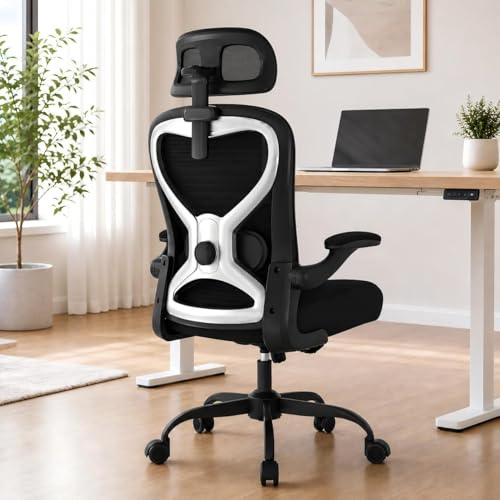
What We Like
- 3.5" virgin foam seat for all-day comfort
- 4-way adjustable lumbar cushion for precise support
- 3D adjustable headrest cradles neck and head
- Tilt & rock function with adjustable tension
Trade-offs
- Flip-up armrests lack width or angle adjustment
- Heavier than some mesh office chairs at 30 pounds
A 3.5-inch virgin foam seat that distributes weight evenly means you can sit for eight-plus hours without that familiar hip and thigh soreness. That makes it a strong choice for anyone who spends long days at a desk. The contoured mesh back follows your spine, and the dual-direction adjustable lumbar cushion lets you dial in exactly the lower-back support you need. With a 3D adjustable headrest that cradles your neck and a gentle tilt-and-rock motion that moves with you, this chair is built for long stretches of focused work or simply reclining to take a break.
The CASASIO chair supports up to 330 pounds, so it handles heavier users without wobbling, and the reinforced metal base keeps it stable on carpet or hardwood. The virgin foam seat distributes weight evenly, which means your hips and thighs stay comfortable even after eight hours of sitting. Reviewers note the dual-direction adjustable lumbar cushion lets you dial in lower back support precisely, reducing fatigue during long work sessions.
Product photos
How We Evaluated Office Chairs For Pregnancy
Our evaluation began with a close look at manufacturer specifications and ergonomic design documents for each chair. We studied how each model supports the lower back, accommodates shifting weight, and allows for easy adjustments without tools or complicated mechanisms.
We prioritized four criteria that directly affect pregnancy comfort. Lumbar support came first, since lower back pain is one of the most common complaints during pregnancy. Adjustability followed, because a chair that adapts to your changing body in multiple ways will serve you longer. Seat comfort and cushioning matter as pregnancy progresses and pressure points become more sensitive. Finally, we considered leg support options, including footrests and seat depth, since swelling and circulation changes make leg elevation important.
Any evaluation has limits: individual comfort is deeply personal. What we can offer is a clear picture of what each chair provides, how its features match common pregnancy needs, and what owners consistently report about their experiences.
What To Look For In Office Chairs For Pregnancy
Finding the right chair during pregnancy means looking beyond standard office chair features. Your body changes week by week, so the chair you choose needs to adapt with you.
Look for a chair with adjustable lumbar support, multiple seat adjustments, a comfortable cushion that supports changing weight, and the option to raise your legs. Breathable materials help regulate body temperature.
Adjustable Lumbar Support
Lower back pain is one of the most common pregnancy discomforts, and a chair that supports your lumbar spine can make a significant difference. Look for lumbar support that moves with you rather than a fixed bump. Adaptive or dynamic lumbar systems, like those on the SIHOO B100 or the patented AIR Lumbar on the Serta Bryce, respond to your movements as you shift positions throughout the day.
A chair with multiple lumbar adjustment positions, such as the Ergoa with its 8-position support, lets you fine-tune the fit as your body changes.
Seat Adjustability and Cushioning
As your pregnancy progresses, your center of gravity shifts and pressure on your hips and tailbone increases. A seat with adequate cushioning helps distribute weight comfortably. Look for seat foam thickness of at least 3 inches for long-term comfort, as found on the Marsail and CASASIO chairs. Seat depth adjustment is also valuable, though not all chairs offer it. A seat that is too deep can press against the back of your knees, while one too shallow may not support your thighs fully.
Leg Support and Footrest Options
Raising your legs helps reduce swelling and improves circulation during pregnancy. Some chairs, like the ELABEST X100 and the Mimoglad, include built-in footrests that slide out when needed. If a footrest is not built in, ensure your desk setup allows room for a separate footrest. The ability to recline slightly and raise your feet can provide significant relief during long work sessions.
- Check whether the chair’s armrests adjust in multiple directions (height, width, angle) to support changing arm positions.
- Verify the weight capacity accommodates your current weight plus any additional weight gain during pregnancy.
- Look for breathable mesh backrests that help regulate body temperature, which can fluctuate during pregnancy.
- Confirm the chair rolls smoothly on your floor type, or plan to use a chair mat on carpet.
A chair that adjusts without tools or complicated levers will serve you better when you need to change positions frequently throughout the day.
Office Chairs For Pregnancy Compared
The table below compares all ten chairs side by side, highlighting the key features that matter most for pregnancy comfort and support.
| Product | Weight Capacity | Lumbar Support | Armrests |
|---|---|---|---|
| Steelcase Series 1 Ergonomic Office Chair | N/A | Weight-Activated Controls | 4-dimensional adjustable |
| Hbada X7 Smart Ergonomic Chair | N/A | AI-powered dynamic tracking | 720° Adjustable Armrests |
| HBADA E3 Ultra GEN5 Ergonomic Office Chair | N/A | 3-Zone Dynamic | 8D Armrests |
| ELABEST X100 Ergonomic Mesh Office Chair | 300 lbs | 3D Synchro-Tilt, lockable | 5D Flip-Up, EVA foam |
| Mimoglad Ergonomic Office Chair with Footrest | 350 lb | 3-Way Adjustable Lumbar Support | 3D armrests |
| Marsail Ergonomic Office Chair | 330 lbs | 1.18" forward/back, 2.16" up/down | 3D adjustable, flip-up |
| SIHOO B100 Mesh Ergonomic Office Chair | 300 lbs | Adaptive Lumbar Support | Flip-up Armrests |
| Serta Bryce Executive Office Chair | 275 lb | Patented AIR Lumbar Support | molded armrests |
| Ergoa Ergonomic Mesh Office Chair | 400 lbs | 8-position adjustable | 4D soft-padded |
| CASASIO Ergonomic Office Chair | 330 lbs | 4-way adjustable cushion | Flip-up armrests |
Frequently Asked Questions
What should I look for in an office chair during pregnancy?
Focus on adjustable lumbar support that moves with your changing posture, a seat cushion that distributes weight comfortably, and the ability to recline and raise your legs. Breathable materials and easy-to-reach controls are also important as your body changes.
Is a footrest necessary for a pregnancy office chair?
A footrest helps reduce leg swelling and improves circulation during pregnancy. Some chairs include a built-in footrest, while others require a separate one. Either option can provide relief, but a built-in footrest is more convenient for quick adjustments throughout the day.
Can I use my regular office chair during pregnancy?
You can, but many standard office chairs lack the adjustable lumbar support and seat comfort that become important during pregnancy. If your current chair does not offer enough lower back support or leg elevation, you may experience increased discomfort as your pregnancy progresses.
How important is seat cushion thickness for pregnancy?
Seat cushion thickness directly affects comfort as your weight shifts and pressure on your hips and tailbone increases. Cushions of 3 inches or more, like those on the Marsail and CASASIO chairs, provide better weight distribution for long hours of sitting.
What weight capacity should I consider for a pregnancy office chair?
Choose a chair with a weight capacity that comfortably exceeds your current weight plus expected pregnancy weight gain. Most standard office chairs support around 250 to 300 pounds, but chairs like the Ergoa with a 400-pound capacity offer more room for expectant parents.
The Bottom Line
The Steelcase Series 1 Ergonomic Office Chair earns our best overall recommendation for expectant parents who want a straightforward, responsive chair that adapts to their changing body without complicated controls. Its weight-activated adjustments and 4D arm support make it easy to find a comfortable position at every stage of pregnancy.
If your priority is dynamic back support with added therapeutic features, the Hbada X7 provides smart lumbar tracking with massage and heating. For those who need a built-in footrest to rest tired legs, the ELABEST X100 offers an extendable footrest with breathable mesh comfort. Budget-conscious shoppers will appreciate the Mimoglad, which includes a retractable footrest and a reinforced frame at an affordable price point.
The single most important factor in choosing a pregnancy office chair is adjustable lumbar support that moves with you. Your body will change week by week, and a chair that adapts to those changes will serve you through every trimester and beyond.
