10 Best Chairs For Therapists in 2026
This post contains affiliate links. As an Amazon Associate, we earn from qualifying purchases.
For therapists who spend long hours sitting with clients, the SIHOO B100 Ergonomic Mesh Office Chair earns our best overall pick. Its adaptive lumbar support moves with you, and the breathable full-mesh backrest prevents heat buildup. The Herman Miller Classic Aeron Task Chair offers premium ergonomic engineering for those who want a long-lasting investment, while the CASASIO Ergonomic Office Chair delivers precise lower-back support for therapists who need targeted lumbar adjustment.
The challenge of finding the right therapy chair goes beyond basic comfort. You need support that adapts to your movements as you lean forward to listen or sit back during note-taking, all while maintaining proper posture through back-to-back sessions. Breathability matters too, since you’re in the same seat for hours at a stretch.
This guide is based on research into manufacturer specifications, expert ergonomic recommendations, and patterns in owner feedback across dozens of models. We focused on the features that matter most for therapy work: lumbar support adjustability, seat comfort for extended sitting, armrest versatility, and overall durability for daily professional use.
Top 10 Chairs For Therapists in the Market
Certain content that appears on this site comes from Amazon. This content is provided "as is" and is subject to change or removal at any time.
The Best Chairs For Therapists, Reviewed
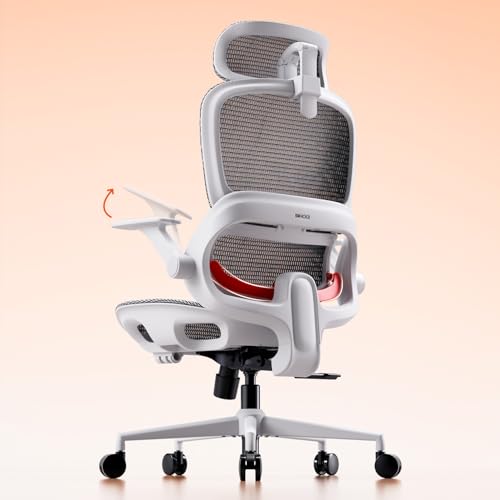
SIHOO B100 Ergonomic Mesh Office Chair
What We Like
- Adaptive lumbar moves with you
- Breathable full-mesh backrest
- Three lockable recline angles
- Widened seat for even weight distribution
Trade-offs
- At 35.5 lb, not the lightest to move
- Flip-up armrests lack padding for extended arm support
A 300-pound weight capacity and SGS-certified Class 4 gas lift mean this chair handles long therapy sessions without wobble or worry. The adaptive lumbar support follows your spine as you lean forward to take notes or sit upright during a session, so your lower back stays comfortable all day. With a breathable full-mesh backrest that keeps air moving and a widened seat cushion that spreads weight evenly, it’s built for the kind of all-day sitting therapists do. The adjustable headrest and seat height from 18.3 to 21.9 inches make it easy to find a comfortable fit for different body sizes.
The trade-off is that at 35.5 pounds, it’s heavier than a chair like the NEO CHAIR (24.5 lb), so rearranging your office setup takes a bit more effort. Still, with three lockable recline angles (110°, 125°, 135°) and quiet casters that glide across the floor, this chair balances work-ready support with moments of quick relaxation between clients.
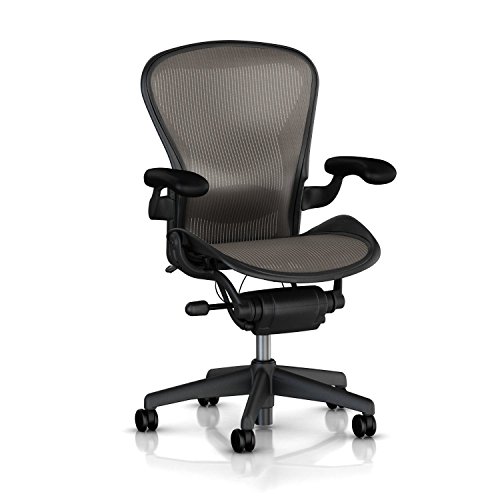
Herman Miller Classic Aeron Task Chair
What We Like
- Patented Kinemat tilt for natural movement
- Breathable Pellicle suspension dissipates body heat
- Waterfall seat edge reduces thigh pressure
- 12-year warranty with Born-On-Date sticker
Trade-offs
- At 48 lb, it's heavy to move around
- Vinyl arms lack cushioning compared to padded alternatives
The patented Kinemat tilt mechanism lets your neck, shoulders, hips, knees, and ankles pivot naturally as you shift positions, a real advantage for anyone who spends long hours leaning forward or reaching. The breathable Pellicle suspension keeps you cool by dissipating body heat, while the waterfall front edge of the seat takes pressure off your thighs, helping blood circulate so you stay alert and focused. This chair offers superior comfort, body support and style in a design that redefines the very meaning of a work chair.
At 48 pounds, this chair is noticeably heavier than the SIHOO B100 (35.5 lb), making it less convenient to rearrange rooms or adjust on the fly. The fully adjustable vinyl arms are a standard feature that some may find less cushioned than padded alternatives. If you can manage the heft and appreciate the engineering, the Aeron delivers a level of tailored support backed by a 12-year warranty.
Product photos
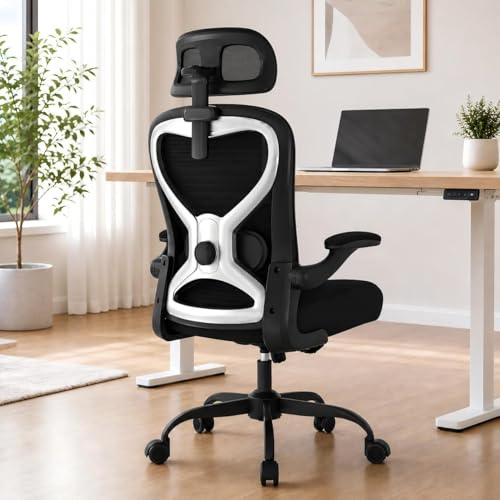
CASASIO Ergonomic Office Chair
What We Like
- 4-way adjustable lumbar support
- 3.5" virgin foam seat for all-day comfort
- 3D adjustable headrest cradles neck and head
- BIFMA-tested with 5-year warranty
Trade-offs
- Flip-up armrests lack depth or width adjustment
- No footrest included for leg elevation
With a 330-pound weight capacity and a generously cushioned 3.5-inch virgin foam seat, this chair is built to support therapists through long sessions without letting soreness interrupt the flow. The dual-direction adjustable lumbar cushion lets you dial in exactly the lower-back support you need, while the contoured mesh back follows your spine’s natural curve. It’s a thoughtful setup for anyone who spends hours leaning forward in active listening or leaning back to take notes, because comfort here isn’t just about padding, it’s about targeted relief exactly where your body asks for it.
The armrests flip up to tuck under a desk, but they don’t adjust in width or depth. Therapists who like to rest their forearms while typing or charting may find the position less customizable.
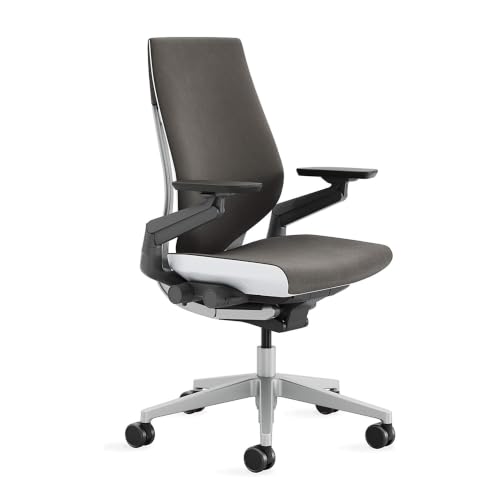
Steelcase Gesture Office Chair
What We Like
- 360-degree arms for versatile support
- Contoured back follows spine's natural shape
- Full recline with three lock settings
- Intuitive adjustments within arm's reach
Trade-offs
- At 70 pounds, difficult to move frequently
- Wheels are designed for carpet, not hard floors
The 360-degree arms on this chair let you support your elbows and forearms in nearly any position you naturally shift into, leaning forward to take notes, reclining back during a session, or reaching for a tool on your desk. That kind of unrestricted movement is a real advantage for therapists who spend long hours in varied postures, never locked into one static angle. The contoured back follows your spine’s curve, and all the adjustments sit on the right side, so you can fine-tune the fit without twisting or standing up. It’s built for someone who values precise, intuitive ergonomics and doesn’t want to fight with levers hidden under the seat.
At 70 pounds, this chair is heavy enough that rearranging your office or rolling it between rooms feels like a workout. It comes with wheels designed for carpet, so on hardwood or tile the wheels won’t glide as smoothly. Compared to the SIHOO B100 at 35.5 pounds, the Gesture is far less portable, but its sturdy build and full-feature arm movement offer a level of adjustability that lighter chairs simply can’t match. For therapists who have a dedicated room and want a chair that adapts to every shift in posture, this is a thoughtful investment in comfort.
Product photos
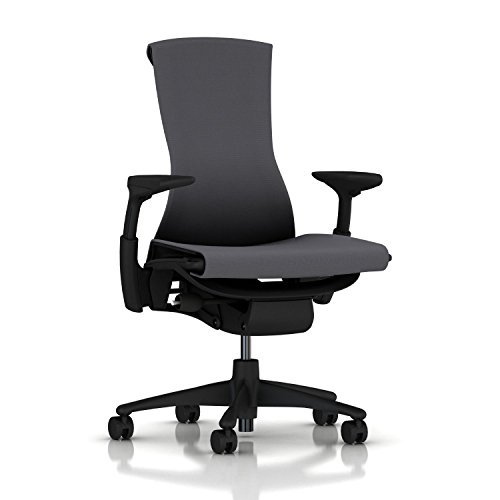
Herman Miller Embody Ergonomic Office Chair
What We Like
- Developed with 20+ physicians and PhDs
- Pixelated support reduces pressure points
- Backfit adjusts to spine's natural curve
- Breathable fabric prevents heat buildup
Trade-offs
- At 52 lb, it's heavy to move around
- Carpet casters limit use on hard floors
More than 20 physicians and PhDs in biomechanics, vision, physical therapy, and ergonomics helped guide this chair’s development, so every detail serves a healthful purpose. The Pixelated Support matrix automatically conforms to your micro-movements, distributing weight evenly and encouraging healthy circulation. That sense of floating while perfectly balanced is exactly what a therapist needs during long sessions of focused attention. The Backfit adjustment lets you position the backrest in line with your spine’s natural curve, and it adapts automatically as you shift from leaning forward to reclining. Breathable Rhythm fabric prevents heat buildup, keeping you cool even after hours seated.
The real trade-off is weight: at 52 pounds, this chair isn’t something you’ll casually reposition between rooms. Carpet casters come standard, so if your office has hard floors you’ll want to swap them. Compared to the lighter Haworth Fern (65 lb with mesh), the Embody’s heft reflects its dense, layered construction, four support layers in the seat alone, each with its own material properties. That complexity delivers the pressure distribution that makes it a top choice for therapists who prioritize sustained comfort over portability. If you need to move your chair frequently, the lighter SIHOO B100 (35.5 lb) might be easier to manage, but it won’t match the Embody’s physician-developed ergonomics.
Product photos
Haworth Fern Ergonomic Office Chair

What We Like
- Breathable mesh finish keeps you cool
- Patented Wave Suspension cradles spine
- 4D padded armrests for personalized support
- 12-year warranty for long-term durability
Trade-offs
- At 65 lb, it's heavy to move around
- No headrest included for neck support
With a 350-pound weight capacity, this chair supports a wide range of body types, and the patented Wave Suspension system mimics the human body to cradle your spine during long sessions. The breathable mesh finish helps keep you comfortable by allowing air to circulate. This chair is built for those who want personalized comfort with adjustable seat depth and 4D armrests, making it easy to dial in the perfect fit for your body and work style.
Its 65-pound weight makes it less practical if you need to frequently rearrange your office or move the chair between rooms. Compared to the Herman Miller Classic Aeron Task Chair, which weighs 48 pounds, the Fern is noticeably heavier and harder to reposition. Still, for a dedicated therapy space where the chair stays put, the Fern’s durable construction and 12-year warranty offer peace of mind that it will hold up to daily use.
Product photos
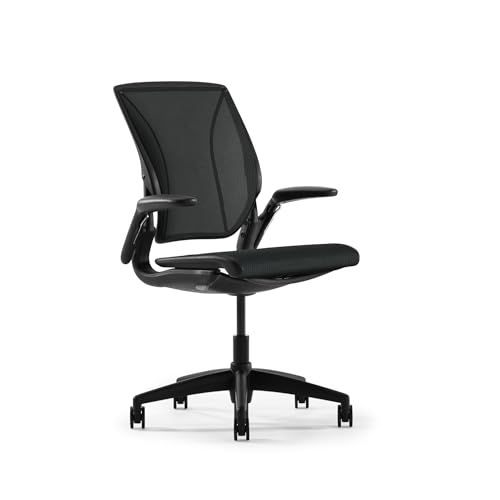
Humanscale World One Office Chair
What We Like
- Self-adjusting lumbar support adapts to your form
- Weight-sensitive recline for personalized movement
- Breathable tri-panel mesh back for long hours
- Frameless front edge reduces knee pressure
Trade-offs
- No headrest for therapists who lean back
- At 28 lbs, less portable than lighter mesh chairs
A 300-pound weight capacity and a seat height range of 14 to 27.75 inches mean this chair can accommodate a wide variety of body types. That matters when a single chair needs to serve different therapists in a shared space. The self-adjusting lumbar support and weight-sensitive recline work together to follow your movements without requiring manual tweaks, so you can focus on your client rather than fiddling with levers. It’s a smart fit for anyone who wants a set-it-and-forget-it ergonomic experience that still adapts as you shift positions throughout the day.
The chair’s 17-degree recline and 8-degree tilt keep you in a more upright posture, which is ideal for focused work sessions where you don’t need to lean far back. The breathable mesh back and frameless front edge help you stay cool and reduce pressure behind your knees, so you can sit comfortably for hours without shifting around.
TRALT Ergonomic Desk Chair

What We Like
- High-resilience foam won't flatten
- Adjustable lumbar matches spine curve
- Breathable mesh prevents heat buildup
- BIFMA-certified lift resists sinking
Trade-offs
- No seat angle adjustment for varied postures
- Heavier than some mesh office chairs at 28 lbs
The high-resilience molded foam seat is the standout feature here, it’s built to bounce back day after day instead of hardening or sagging within months. Therapists who spend long hours seated won’t end up with a flattened cushion. The adjustable lumbar mechanism actually lets you dial in depth to match your spine’s natural curve, which genuinely relieves lower back pressure during back-to-back sessions. With a breathable mesh back that keeps air flowing and a BIFMA-certified lift that holds its height reliably, this chair is designed for sustained comfort without the common budget-chair pitfalls.
Compared to the SIHOO B100, which offers a similar mesh back and flip-up armrests, the TRALT focuses more on long-term foam resilience rather than adaptive lumbar adjustments. For someone who prioritizes a seat that stays supportive year after year over a wider range of motion, this chair delivers where it counts.
Product photos
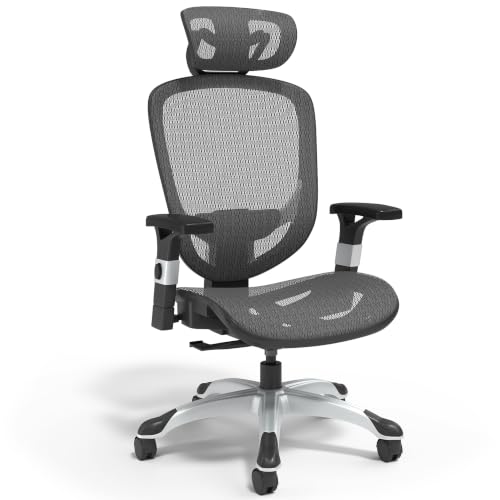
Staples Hyken Ergonomic Mesh Task Chair
What We Like
- 9 adjustment options for personalized fit
- Adjustable lumbar support included
- Height- and angle-adjustable headrest
- Breathable mesh back and seat
Trade-offs
- 28.2 lb weight limits easy room-to-room moves
Nine separate adjustment points let you dial in the seat height, arm height, headrest position, lumbar support, tilt tension, and tilt lock. This chair can adapt to different body types and therapy tasks throughout the day. The breathable mesh back and seat keep air moving, which matters when you’re sitting for back-to-back sessions. For a therapist working in a home office or small practice, that kind of personalized fit and airflow makes long hours noticeably more comfortable.
This mesh task chair focuses on breathability and personalized fit rather than a generic padded seat. The mesh back and seat allow air to circulate, reducing heat buildup during long work sessions. Nine adjustment options let users tailor the chair to their body, including adjustable seat and arm height, a height- and angle-adjustable headrest, lumbar support, tilt tension, and tilt lock. Arms move up and down to relieve neck pressure and support shoulders. It meets or exceeds ANSI/BIFMA standards, so it’s built for daily use in home or professional offices. Reviewers note it offers a comfortable everyday seating option without the bulk of a traditional cushion.
Product photos
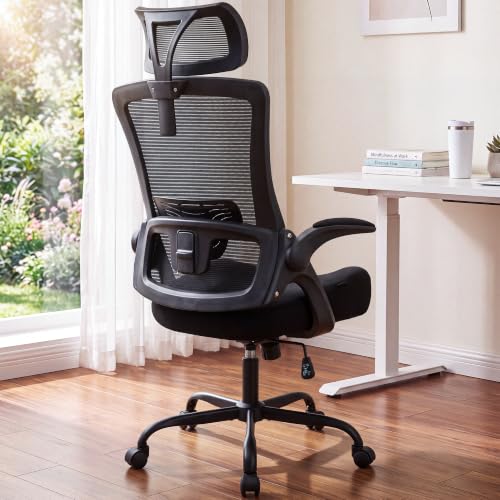
NEO CHAIR Ergonomic Office Chair
What We Like
- Breathable mesh back for air circulation
- Waterfall seat reduces leg pressure
- Flip-up armrests save space
- BIFMA and SGS certified durability
Trade-offs
- At 24.5 lb, less stable for heavier users
- No seat depth adjustment for taller users
The breathable mesh backrest keeps air moving during long sessions, while the waterfall seat cushion and supportive foam help prevent discomfort after hours of sitting. Adjustable lumbar support, headrest, and tilt tension let you dial in a fit that supports healthy posture, so you can stay focused on your work rather than your back. At 24.5 pounds, the chair is light enough to move between rooms easily, and the flip-up armrests allow compact storage when floor space is needed.
At 24.5 pounds on a reinforced steel base with BIFMA-approved casters, the NEO CHAIR is light enough to reposition easily during a busy workday. Flip-up armrests let you tuck it under a desk when space is tight, and the SGS-certified gas lift and FSC-certified wood seat frame back up its certified quality. For anyone who wants an adjustable ergonomic chair that’s easy to move and store without sacrificing durability, this model delivers real convenience.
Product photos
How We Evaluated Chairs For Therapists
Our evaluation began with a close look at manufacturer specifications and ergonomic design data for each chair. We studied how each model’s lumbar support system works, whether it’s a fixed curve, an adjustable pad, or a self-adapting mechanism, and how that translates to real-world comfort during long sitting sessions. We also reviewed patterns in owner feedback to understand which chairs hold up well over months and years of daily use.
The four criteria that mattered most were lumbar support adjustability, because therapists shift positions frequently. Seat comfort and cushion durability also mattered, since you’re seated for consecutive hours. Armrest versatility is key, as you need to get close to clients without obstruction. Overall build quality and warranty coverage indicate how long the chair will last in a professional setting.
An evaluation like this has honest limits. We don’t have access to testing labs or the ability to put each chair through months of daily therapy sessions. Instead, we rely on detailed specifications, expert round-ups from ergonomic specialists, and the collective experience of thousands of owners whose feedback reveals which chairs truly perform over time.
What To Look For In Chairs For Therapists
Finding the right chair for your therapy practice means balancing ergonomic support with the specific demands of client-facing work. The chair you choose should let you move naturally between listening, note-taking, and leaning forward, all while keeping your spine properly aligned.
Look for a chair with adjustable lumbar support that moves with you. The seat cushion should stay comfortable through back-to-back sessions. Armrests that can move out of the way are important when you need to get close to a client.
Lumbar Support That Adapts To Your Movement
Therapists rarely sit still. You lean forward to listen, sit back to reflect, and shift positions throughout the day. A static lumbar curve won’t cut it. Look for chairs with adjustable lumbar support that lets you change the height and depth of the curve, or self-adapting systems that respond to your movements. The SIHOO B100’s adaptive lumbar moves with you as you shift, while the CASASIO offers four-way adjustment for precise positioning.
Seat Comfort For Consecutive Sessions
You’re likely booking clients back-to-back, which means your seat needs to stay comfortable for hours without sagging or creating pressure points. High-resilience foam, like the 3.5-inch virgin foam in the CASASIO, resists flattening over time. Mesh seats, like the one on the Staples Hyken, offer breathability but may feel firmer. A waterfall seat edge, found on the Herman Miller Aeron and NEO CHAIR, reduces pressure behind your knees.
Armrests That Work With Your Workflow
Therapy work often requires getting close to clients, writing notes, or turning to face someone directly. Armrests that flip up or adjust in multiple directions let you position them exactly where you need them. The Steelcase Gesture’s 360-degree arms offer the most versatility, while flip-up armrests on the SIHOO B100 and NEO CHAIR save space when you need to scoot in close.
- Check that armrests can move out of the way when you turn to face a client
- Make sure the seat height range fits your desk and your body
- Confirm that casters work on your flooring type, whether carpet or hard floors
- Test the recline range if you like to lean back during notes or reflection time
A good therapy chair should let you forget about the chair itself, so you can focus entirely on your client.
Chairs For Therapists Compared
The table below compares the key specifications and features of our top picks for therapists, helping you see at a glance which chair fits your specific needs.
| Product | Weight Capacity | Weight | Lumbar Support |
|---|---|---|---|
| SIHOO B100 Ergonomic Mesh Office Chair | 300 lbs | 35.5 pounds | Adaptive Lumbar Support |
| Herman Miller Classic Aeron Task Chair | N/A | 48.0 pounds | Lumbar Pad |
| CASASIO Ergonomic Office Chair | 330 lbs | 30.0 pounds | 4-way adjustable |
| Steelcase Gesture Office Chair | N/A | 70.0 pounds | N/A |
| Herman Miller Embody Ergonomic Office Chair | N/A | 52.0 lb | N/A |
| Haworth Fern Ergonomic Office Chair | 350 lb | 65.0 lb | Lumbar Support |
| Humanscale World One Office Chair | 300 lbs | 30.0 pounds | Built in Lumbar Support |
| TRALT Ergonomic Desk Chair | 330 lbs | 28.0 pounds | Adjustable depth mechanism |
| Staples Hyken Ergonomic Mesh Task Chair | N/A | 28.2 pounds | Adjustable |
| NEO CHAIR Ergonomic Office Chair | N/A | 24.5 pounds | Ergonomic Lumbar Headrest |
Frequently Asked Questions
What is the best chair for a therapist who sits all day?
The SIHOO B100 Ergonomic Mesh Office Chair is our best overall pick for therapists who sit all day, thanks to its adaptive lumbar support that moves with you and breathable full-mesh backrest. For those who want premium ergonomic engineering with a 12-year warranty, the Herman Miller Classic Aeron Task Chair is an excellent choice.
How much lumbar support do I need in a therapy chair?
You need lumbar support that adjusts to your movements, not just a fixed curve. Therapists shift positions frequently, leaning forward and sitting back, so look for chairs with adjustable or self-adapting lumbar systems. The CASASIO offers four-way adjustable lumbar support, while the Humanscale World One uses self-adjusting support that adapts to your form automatically.
Should I get a mesh or padded seat for my therapy office?
Mesh seats offer better breathability and airflow, which helps prevent heat buildup during long sessions. Padded seats with high-resilience foam, like the TRALT’s foam that won’t flatten, provide more cushioning for all-day comfort. Your choice depends on whether you prioritize staying cool or prefer a softer sitting surface.
What chair features matter most for a therapist’s office?
The most important features are adjustable lumbar support, comfortable seat cushioning for consecutive sessions, and armrests that can move out of the way when you need to get close to a client. Breathability and overall build quality also matter, since you’ll use the chair for hours every day in a professional setting.
Are expensive ergonomic chairs worth it for therapists?
Premium chairs like the Herman Miller Embody, developed with over 20 physicians and PhDs, offer advanced ergonomic features and longer warranties that can justify the investment for full-time therapists. More affordable options like the SIHOO B100 and Staples Hyken provide good support at a lower price point, making them suitable for home offices or part-time practices.
The Bottom Line
The SIHOO B100 Ergonomic Mesh Office Chair is our best overall pick for therapists. It combines adaptive lumbar support that moves with you, a breathable full-mesh backrest, and a widened seat for even weight distribution at a practical price point. It’s ideal for therapists who need all-day comfort without the premium price tag of high-end ergonomic chairs.
If your budget allows for a long-term investment, the Herman Miller Classic Aeron Task Chair offers patented Kinemat tilt for natural movement and a 12-year warranty. For therapists who need precise lower-back adjustment, the CASASIO Ergonomic Office Chair with its four-way adjustable lumbar and thick virgin foam seat delivers targeted support for long workdays.
The single most important factor in choosing a therapy chair is finding lumbar support that adapts to your movement. Your body shifts constantly during client sessions, and a static backrest won’t keep you properly aligned.
