9 Best Japanese Cookbooks in 2026
This post contains affiliate links. As an Amazon Associate, we earn from qualifying purchases.
The Japanese Cookbook for Beginners is our best overall pick for home cooks who want a broad, approachable collection of 70+ popular recipes including ramen, sushi, and gyoza without getting lost in technique. For those seeking an exhaustive reference, Real Japanese Cooking offers over 600 authentic recipes, while Japanese Cooking: A Simple Art remains the classic technique guide for serious home cooks.
Whether you are stocking a small kitchen shelf or building a dedicated cookbook collection, the right Japanese cookbook depends on your cooking goals and available space. Some books prioritize breadth of recipes, while others focus on technique, cultural context, or quick weeknight meals. The weight, size, and binding of each book matter as much as the recipes inside.
This guide is research-based, drawing on manufacturer specifications, expert round-ups, and patterns in owner feedback to help you choose confidently. We evaluated each book for recipe variety, instructional quality, physical dimensions, and how well it serves different cooking skill levels.
Top 9 Japanese Cookbooks in the Market
Certain content that appears on this site comes from Amazon. This content is provided "as is" and is subject to change or removal at any time.
The Best Japanese Cookbooks, Reviewed
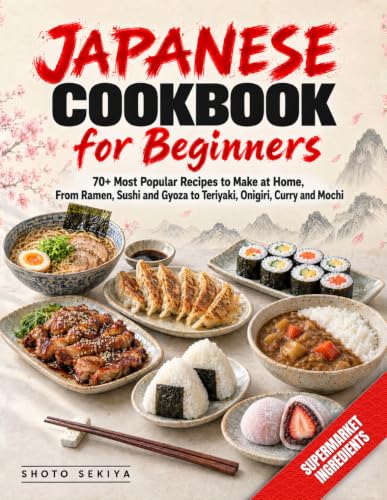
Japanese Cookbook for Beginners
What We Like
- 70+ popular Japanese recipes
- Covers ramen, sushi, gyoza, teriyaki
- Includes onigiri, curry, mochi
Trade-offs
- Only 0.3 inches thick, limited depth
- Not for those wanting cultural context or technique guides
With over 70 recipes spanning everything from ramen and sushi to gyoza, teriyaki, onigiri, curry, and mochi, this book packs an impressive variety into a single volume. That breadth makes it a natural starting point for anyone who wants to explore Japanese home cooking without feeling overwhelmed by hundreds of dishes or deep technique. The 8.5 x 11-inch format gives each recipe room to breathe, so you’re not squinting at tiny type while your hands are covered in flour or sauce. It’s the kind of book you can flip open on a weeknight and actually cook from, which is exactly what a beginner needs.
At just 0.3 inches thick, this book is slim enough to tuck into a tote bag or kitchen drawer, unlike comprehensive references such as Japanese Cooking: A Simple Art, which is 1.5 inches thick. Reviewers note that the focus stays on getting you cooking popular dishes without deep dives into technique or regional variations. If you want to start making ramen, sushi, or teriyaki at home quickly, this collection delivers exactly that.
Product photos
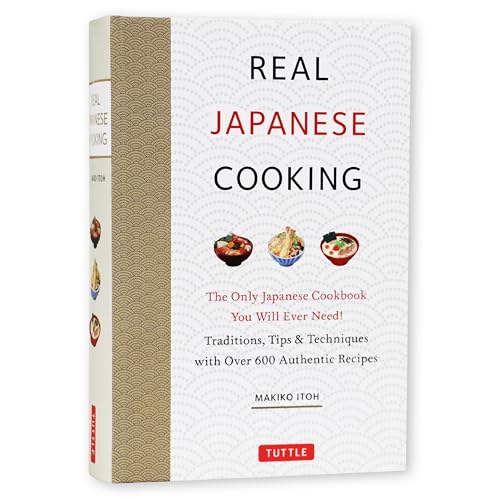
Real Japanese Cooking
What We Like
- Over 600 authentic Japanese recipes
- Covers traditions, tips, and techniques
- Compact 6-inch width for easy storage
Trade-offs
- At 2.6 pounds, it's heavy for casual browsing
- Weighs 2.6 pounds, so it's not lightweight for carrying
With over 600 authentic recipes, this single volume replaces an entire shelf of Japanese cookbooks, letting you cook everything from quick miso soup to elaborate multi-course dinners without flipping between different guides. Its 6-inch width means it won’t hog your counter space, sitting neatly beside your prep area while you explore the traditions and techniques woven into each chapter.
That comprehensive collection comes with heft: at 2.6 pounds and nearly two inches thick, it’s not the kind of book you’ll casually flip through while standing at the stove. Compared to the slimmer Japanese Cookbook for Beginners, which is just a fraction of an inch thick, this one demands a sturdy cookbook stand or a clear spot on the counter. If you want one definitive resource to grow your skills over time rather than a quick-start guide, the sheer volume of authentic recipes here is hard to beat.
Product photos
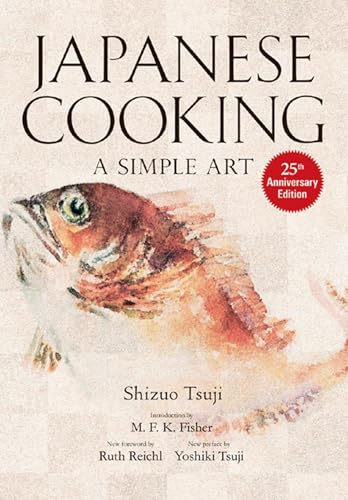
Japanese Cooking: A Simple Art
What We Like
- Classic technique guide from trusted publisher
- Large format for detailed instruction
- Substantial weight suggests comprehensive content
Trade-offs
- Heavier than some rivals (e.g., Real Japanese Cooking at 2.6 pounds)
- Large size requires dedicated shelf space
Weighing 3.2 pounds and standing 10.4 inches tall, this book is a hefty reference that demands a sturdy reading spot. Its generous dimensions provide space for large photographs and detailed diagrams, which helps serious cooks study knife cuts and simmering methods up close. The publisher, Kodansha, is a well-known name in Japanese publishing, lending credibility to the thorough content that has made this a respected resource for decades.
The trade-off is size and weight: this isn’t a book you’ll prop open on a crowded counter or toss in a bag for quick reference. Compared to the lighter Real Japanese Cooking at 2.6 pounds, Japanese Cooking: A Simple Art demands more shelf space and a stable reading area. Reviewers note that the substantial heft reflects the depth of material, making it a better fit for dedicated study than for casual flipping.
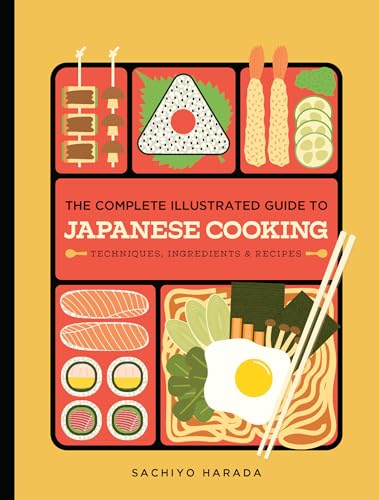
Hardie Grant Books Japanese Cookbook
What We Like
- Complete illustrated guide to techniques
- Covers ingredients and recipes comprehensively
- Large format for easy reading
Trade-offs
- Heavy at 4.0 pounds for a cookbook
- Heavy at 4.0 pounds, less portable than lighter cookbooks
At 4.0 pounds and 12.5 inches tall, this is a substantial volume that covers techniques, ingredients, and recipes in a complete illustrated guide. The large format makes it easy to read while you cook, and the comprehensive approach means you get both visual explanations and detailed instructions. This is the pick for the cook who wants a single resource that explains how to prepare Japanese dishes from start to finish, with illustrations to clarify each step.
This book is heavy at 4.0 pounds, noticeably more than a portable option like Real Japanese Cooking at 2.6 pounds, so it’s not one you’ll toss in a bag for a weekend trip. But if your priority is a thorough guide covering techniques, ingredients, and recipes in one volume, the weight reflects the depth of content inside. It suits the home cook who values a complete reference over a lightweight book, and the large format makes every page easy to read.
Product photos
Ten Speed Press 9781580085199 Japanese Cookbook
What We Like
- Authentic home cooking recipes
- Comprehensive culinary techniques
- Hardcover binding for durability
Trade-offs
- Focus on traditional dishes, not quick meals
- Heavier than Real Japanese Cooking (2.6 pounds)
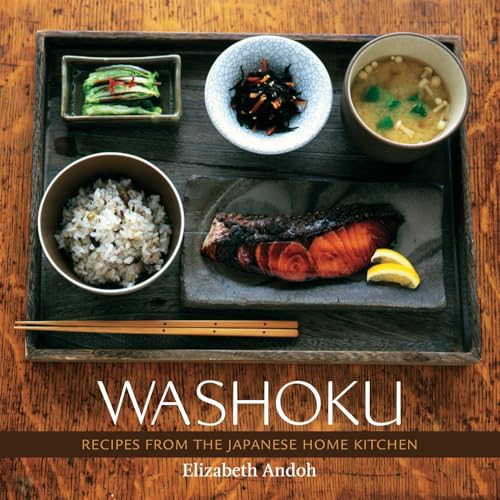
At 9.8 inches square and 3.4 pounds, this cookbook is a substantial volume that stays open on the counter without needing a weight. The hardcover binding and large pages make it easy to read while you cook, though it does take up more counter space than a smaller paperback. This is a reference-style book for someone who wants to dive deep into Japanese home cooking techniques.
This isn’t a book for quick weeknight dinners or beginners looking for simplified recipes. Compared to the lighter Real Japanese Cooking (2.6 pounds), this one is heavier and less portable. But if you’re looking for a comprehensive guide to traditional Japanese home cooking, the depth here is considerable.
Smith Street Books 9781922754523 Japanese Cookbook
What We Like
- Personal stories and family memories
- Everyday Japanese recipes
- Moderate weight for a cookbook
Trade-offs
- Fewer recipes than larger compendiums
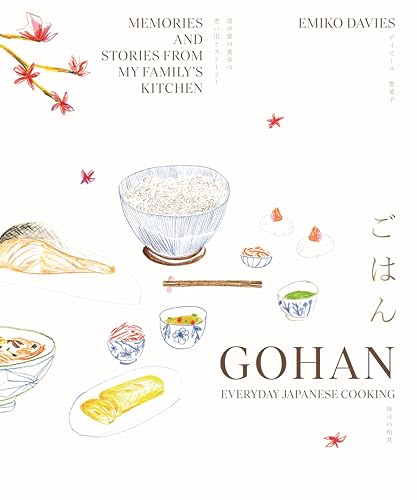
This cookbook weaves family memories and personal stories into every recipe, making it feel less like a manual and more like a shared kitchen conversation. At 2.7 pounds and dimensions of 8.0 by 1.4 by 9.6 inches, it sits comfortably on the counter without hogging space. The focus on everyday dishes means you’ll actually cook from it, not just admire the photos. It’s the kind of book that makes you feel connected to the cook behind the page, perfect for someone who wants warmth along with their instructions.
The book’s spine is 1.4 inches thick, which means it won’t lie perfectly flat on a counter without a weight holding it open. Compared to Real Japanese Cooking, which packs over 600 recipes, this volume offers a narrower but more intimate selection. If you prioritize storytelling and approachable meals over sheer volume, this book delivers where others feel like textbooks.
Product photos
Japanese Home Cooking with Master Chef Murata
What We Like
- Quick and healthy recipes
- Lightweight at 0.8 pounds
- Compact 7.5 x 9.8 inch size
- Includes color illustrations
Trade-offs
- Thin at 0.3 inches
- Black & white illustrations throughout
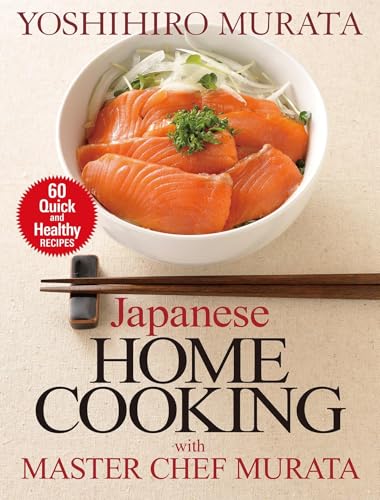
This cookbook is built around quick and healthy meals that fit into a busy lifestyle. Its slim 0.3-inch profile and lightweight 0.8-pound build make it easy to keep on the counter or slip into a bag, so you can cook without clutter. This is the book for someone who wants straightforward Japanese home cooking without a deep dive into technique or tradition.
Sixty recipes is a focused collection, not the massive scope of a book like Real Japanese Cooking, which offers over 600 recipes. If you want a quick, healthy set of go-to dishes, this compact guide delivers exactly that.
Cider Mill Press Japanese Cookbook
What We Like
- Comprehensive collection of Japanese recipes
- Large format with sturdy hardcover
- Published by Cider Mill Press
Trade-offs
- Heavy at 3.7 pounds, less portable
- Thick spine makes it hard to lay flat
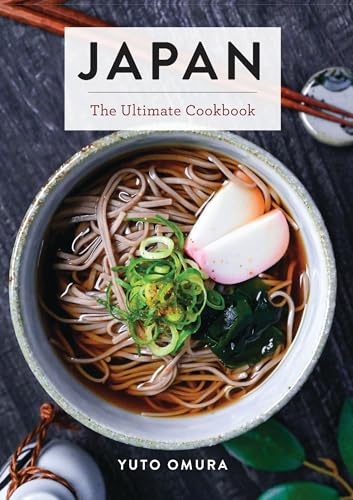
Weighing 3.7 pounds, this cookbook is a hefty reference that stays put on a counter rather than traveling in a bag. Its generous dimensions allow for large, readable pages that make following recipes comfortable, ideal for someone seeking a single comprehensive volume on Japanese cooking.
This book won’t travel well or prop up easily on a crowded counter. Compared to the lighter, more compact Japanese Cookbook for Beginners, which is just a fraction of an inch thick, this one demands dedicated shelf space and two hands to flip through. If you’re building a serious cookbook library and want a definitive resource, the weight and size are worth it. But for quick weeknight inspiration or a kitchen with limited room, a slimmer option might serve you better.
Product photos
Phaidon Press 34143 Japanese Cookbook

What We Like
- Comprehensive national cuisine overview
- Large format for easy reading
- Covers broad range of Japanese dishes
Trade-offs
- Heavy at 3.7 pounds for shelf storage
- Large format makes it hard to store on standard shelves
Weighing 3.7 pounds and standing 11.1 inches tall, this is a substantial single volume that covers the full breadth of Japanese cooking from sushi to street food. It’s designed for someone who wants one authoritative reference rather than a collection of niche titles. The large format keeps pages open flat on a counter, and the Phaidon name is known for thorough cookbook publishing.
Its size and weight are notable. At 3.7 pounds, it’s heavier than some other Japanese cookbooks, so it takes up more space on a counter or shelf. If you prefer a lighter book you can hold in one hand, a slimmer option might serve you better. But for a single volume that covers Japan’s culinary landscape, this is a solid reference.
Product photos
How We Evaluated Japanese Cookbooks
Our evaluation began with a close look at each book’s specifications: page count, dimensions, weight, and binding type. These physical details matter because a cookbook lives on your counter or shelf, and a heavy, oversized volume can be frustrating in a small kitchen. We compared recipe counts and the range of dishes covered, from sushi and ramen to regional specialties and everyday home cooking.
We then examined the instructional approach of each book. Some emphasize step-by-step technique with detailed photographs, while others focus on personal stories or quick, healthy meals. We considered how well each book serves its intended audience, whether that is a beginner looking for approachable recipes or an experienced cook seeking authentic technique and cultural depth.
Finally, we looked at patterns in owner feedback to understand what readers actually find useful. A book that looks comprehensive on paper may not lay flat on the counter or fit on a standard shelf. We weighed these practical concerns against the quality and authenticity of the recipes to arrive at our recommendations.
What To Look For In Japanese Cookbooks
Choosing a Japanese cookbook means balancing recipe variety, instructional depth, and physical practicality. The right book for you depends on your cooking experience and how much space you have in your kitchen.
Look for a cookbook that matches your skill level and kitchen setup. A beginner needs clear instructions and popular recipes, while an experienced cook may want authentic technique and regional depth. Consider the book’s weight, size, and binding to ensure it works in your space.
Recipe Variety and Authenticity
The best Japanese cookbooks offer a broad range of dishes that represent different aspects of the cuisine. Look for books that cover staples like sushi, ramen, and teriyaki, but also include less common dishes like onigiri, curry, mochi, and regional specialties. A book with 70 to 600 recipes serves very different needs, so consider how much variety you actually want.
Instructional Quality and Layout
Clear instructions matter more in Japanese cooking than in many other cuisines because techniques like making dashi, rolling sushi, or preparing tempura require precision. Illustrated guides with step-by-step photographs are especially helpful for beginners. Look for books that explain ingredients and tools, not just recipes.
Physical Size and Weight
A cookbook’s physical dimensions affect how often you will use it. Heavy books can be difficult to prop open on a counter, while thin books may not stay open on their own. Consider your shelf space and whether you want a book that is portable enough to carry to the kitchen or store easily.
- Check the book’s dimensions against your shelf depth and counter space
- Consider weight if you plan to carry the book or store it on a small shelf
- Look for lay-flat binding if you cook from the book frequently
- Decide whether color photographs or black-and-white illustrations matter to you
- Think about whether you want a single comprehensive volume or a focused guide
A cookbook you cannot comfortably hold or store is a cookbook you will not use.
Japanese Cookbooks Compared
The table below compares all nine Japanese cookbooks side by side, so you can see how their recipe counts, weights, and dimensions stack up against each other.
| Product | Dimensions | Weight | Category |
|---|---|---|---|
| Japanese Cookbook for Beginners | 8.5 x 0.3 x 11.0 inches | N/A | Japanese Cooking, Food & Wine |
| Real Japanese Cooking | 6.0 x 1.8 x 9.0 inches | 2.6 pounds | N/A |
| Japanese Cooking: A Simple Art | 7.6 x 1.5 x 10.4 inches | 3.2 pounds | Arts & Photography |
| Hardie Grant Books Japanese Cookbook | 9.5 x 1.2 x 12.5 inches | 4.0 pounds | Fish & Seafood Cooking |
| Ten Speed Press 9781580085199 Japanese Cookbook | 9.8 x 1.0 x 9.8 inches | 3.4 pounds | N/A |
| Smith Street Books 9781922754523 Japanese Cookbook | 8.0 x 1.4 x 9.6 inches | 2.7 pounds | N/A |
| Japanese Home Cooking with Master Chef Murata | 7.5 x 0.3 x 9.8 inches | 0.8 pounds | N/A |
| Cider Mill Press Japanese Cookbook | 7.6 x 1.6 x 10.8 in | 3.7 pounds | Cookbooks, Food & Wine |
| Phaidon Press 34143 Japanese Cookbook | 7.7 x 1.6 x 11.1 inches | 3.7 pounds | N/A |
Frequently Asked Questions
What is the best Japanese cookbook for beginners?
The Japanese Cookbook for Beginners is our top pick for new home cooks. It covers 70+ popular recipes like ramen, sushi, and gyoza in a straightforward format without overwhelming technique or cultural background. It is thin and lightweight at just 0.3 inches thick, making it easy to store in a small kitchen.
Which Japanese cookbook has the most recipes?
Real Japanese Cooking offers over 600 authentic recipes, making it the most extensive single-volume collection in this guide. It covers traditions, tips, and techniques alongside the recipes, though it weighs 2.6 pounds and is best suited for home cooks who want a comprehensive reference rather than a portable book.
What is the best Japanese cookbook for authentic home cooking?
Ten Speed Press 9781580085199 Japanese Cookbook focuses on authentic home cooking recipes and comprehensive culinary techniques. It is a hardcover book with a focus on traditional dishes rather than quick meals, making it ideal for cooks who want to learn genuine Japanese home cooking methods.
How do I choose a Japanese cookbook for a small kitchen?
Look for a lightweight, compact book that fits on your shelf and counter. The Japanese Home Cooking with Master Chef Murata is a good option at 0.8 pounds with a 7.5 x 9.8 inch size, though it is thin at 0.3 inches. Avoid heavy books or oversized formats that require deep shelves.
What is the difference between Japanese cookbooks for beginners and advanced cooks?
Beginner cookbooks focus on popular, approachable recipes with clear instructions and often include color illustrations. Advanced cookbooks like Japanese Cooking: A Simple Art emphasize technique, ingredient knowledge, and regional depth, and they tend to be larger and heavier with more comprehensive content.
The Bottom Line
For most home cooks, the Japanese Cookbook for Beginners offers the best balance of approachable recipes and practical size. It covers the dishes people actually want to make without demanding deep shelf space or a heavy commitment. If you are new to Japanese cooking, start here.
If your goal is to build a serious reference library, Real Japanese Cooking delivers over 600 recipes in a single volume. Japanese Cooking: A Simple Art remains the definitive technique guide for dedicated home cooks. Budget-minded shoppers will appreciate the value in the Smith Street Books Japanese Cookbook, which pairs everyday recipes with personal stories in a moderate-weight package.
The single most important factor in choosing a Japanese cookbook is honestly assessing how you cook. A book that matches your skill level, fits your shelf, and covers the dishes you actually want to make will be the one you reach for again and again.
